Nine books that break the trance — the reading list for becoming a digital minimalist. Read them offline; that's rather the point. (Better still: ask your local bookshop or library first.)
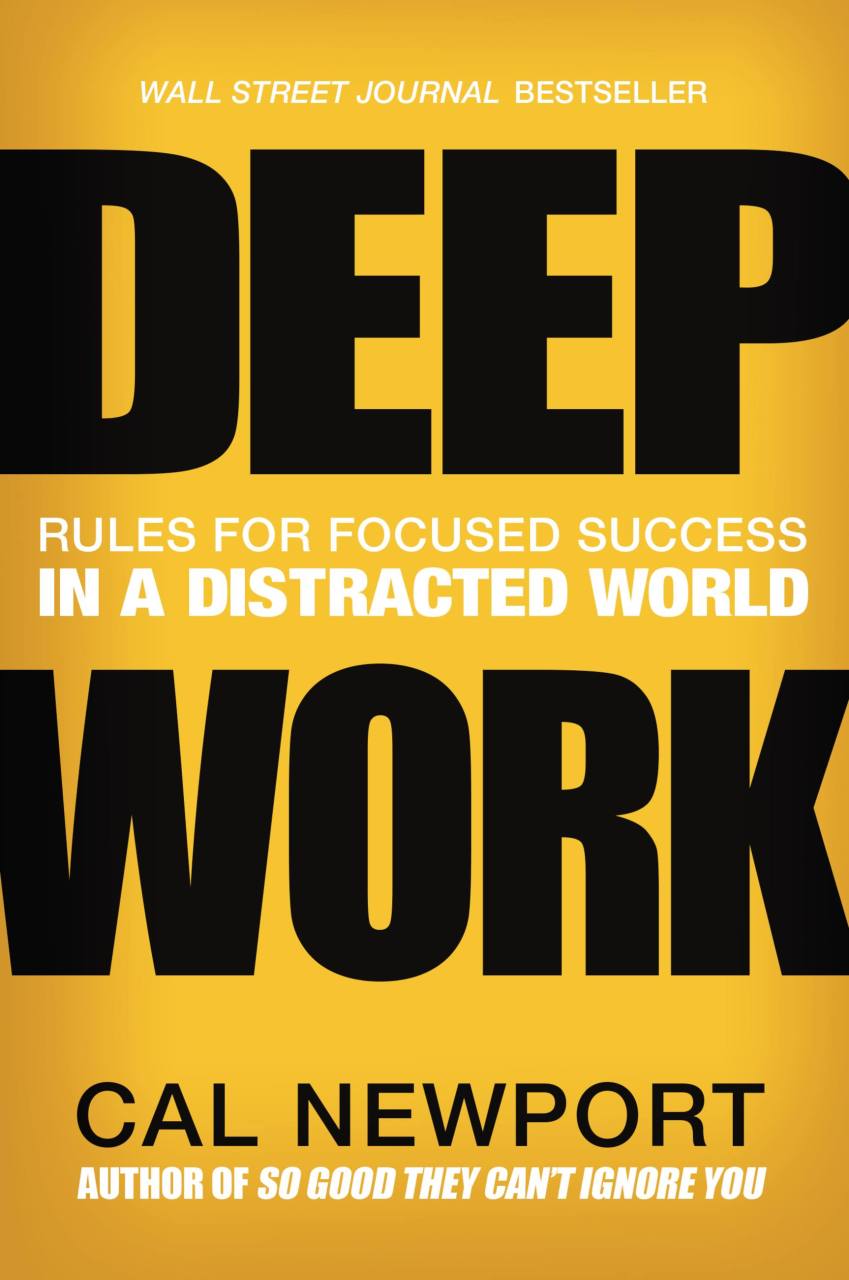
Deep Work
The ability to concentrate without interruption is becoming rare at exactly the moment it becomes most valuable. Newport makes the case, then gives you a practical method for rebuilding it. If you read only one book on this list, read this one.
Find it on Amazon →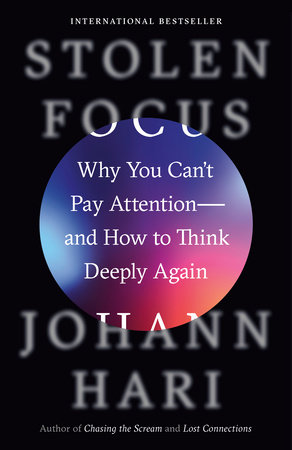
Stolen Focus
Hari travels the world asking why nobody can concentrate any more — and finds the answer is not personal failure but a set of forces deliberately stealing our attention. Humane, furious and very hard to put down.
Find it on Amazon →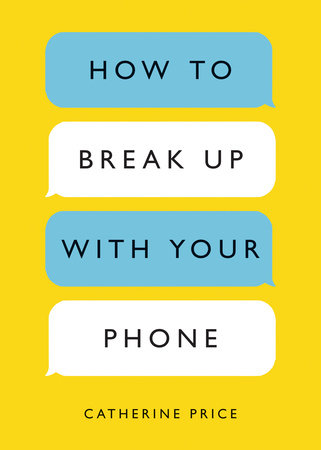
How to Break Up with Your Phone
The most practical book here: a 30-day plan that actually works, written without judgement. If you want a structured place to start this week, start here.
Find it on Amazon →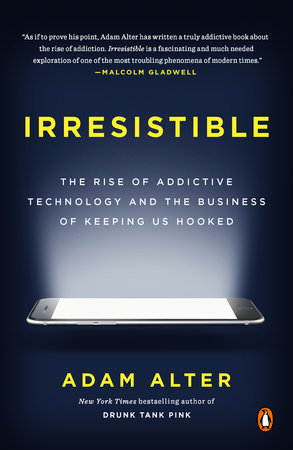
Irresistible
A psychologist's tour of how behavioural addiction is engineered: the goals, the feedback, the near-misses, the cliffhangers. Read it and you will never look at a loading spinner the same way again.
Find it on Amazon →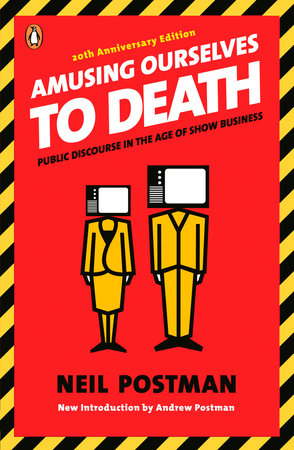
Amusing Ourselves to Death
Written in 1985 about television, and somehow the most accurate book about the internet ever published. We were watching for Orwell's boot and missed Huxley quietly handing us entertainment instead. My commentary on it is below.
Find it on Amazon →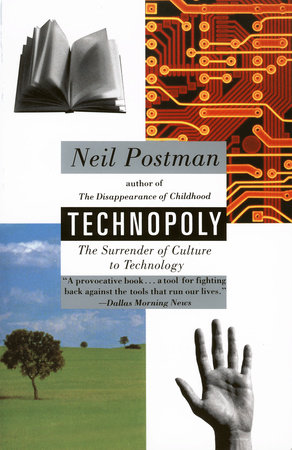
Technopoly
What happens to a society that stops asking whether a new tool is good for it and starts assuming that it must be. The deep background to everything on this site.
Find it on Amazon →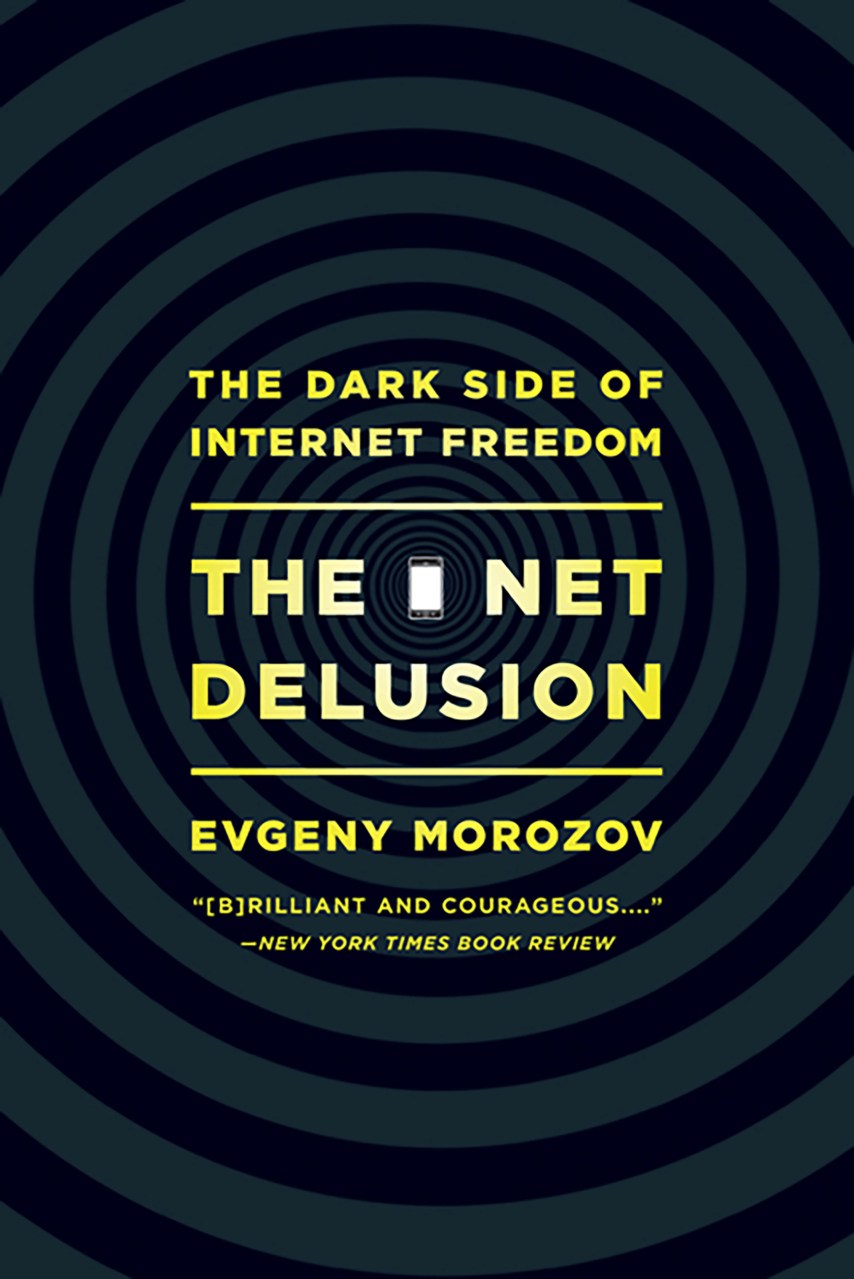
The Net Delusion
The uncomfortable counter-argument to techno-optimism: the same networks that promised liberation turned out to be excellent tools for surveillance and control.
Find it on Amazon →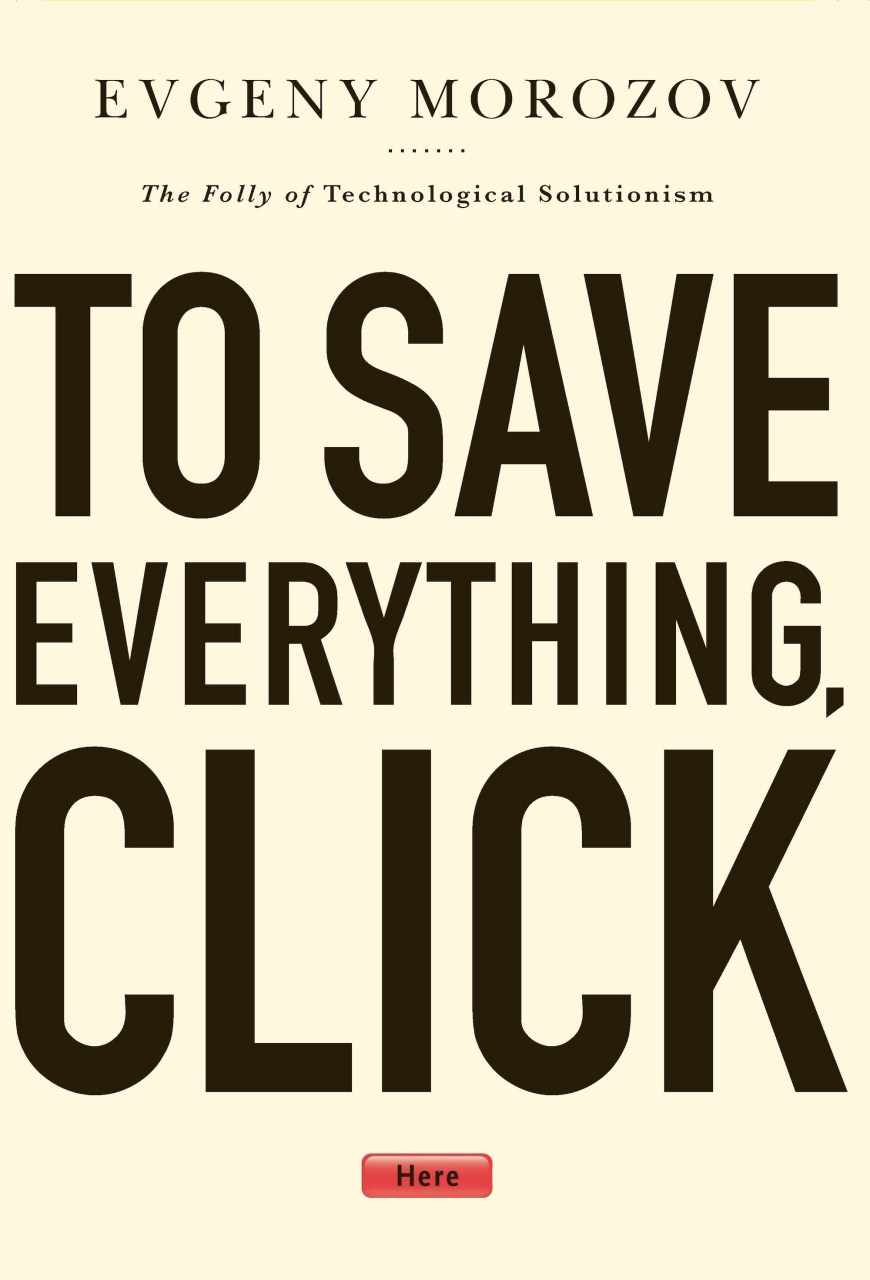
To Save Everything, Click Here
On the belief that every human problem is a bug awaiting an app. A useful vaccine against the idea that the answer to too much technology is more technology.
View the publisher page →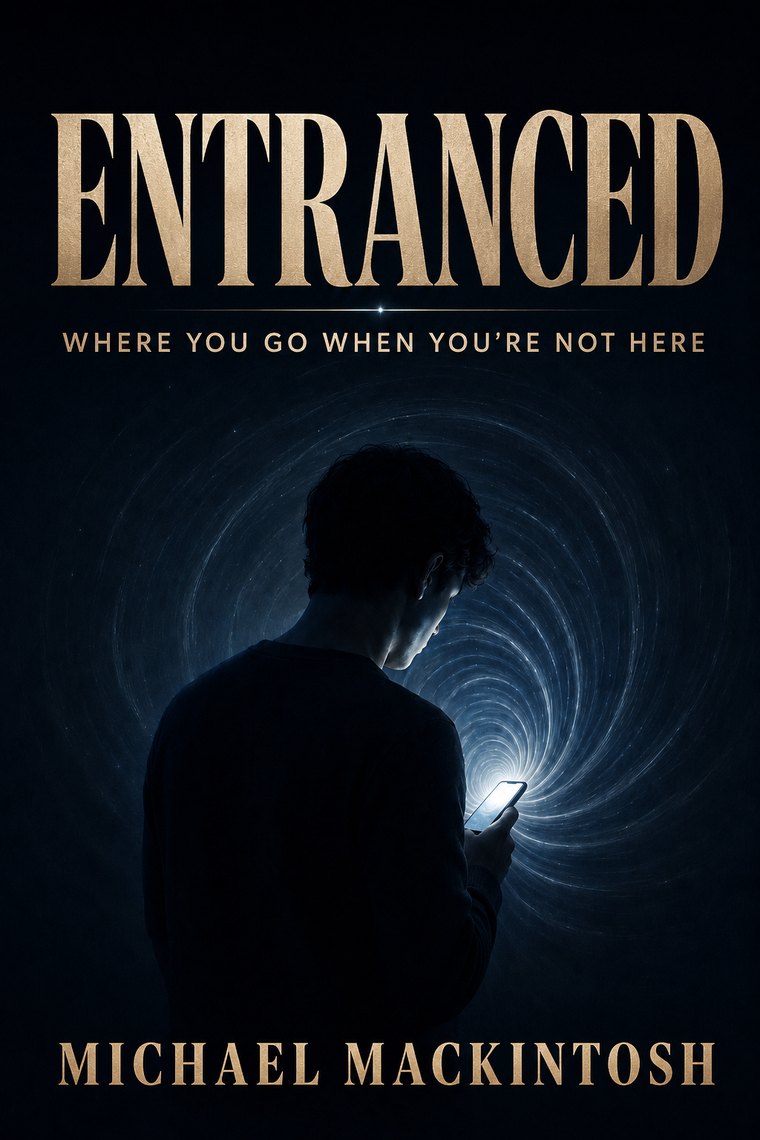
Entranced
My own: thirty years of vanishing into screens, and the long walk home. Written in scenes rather than lessons — the story underneath everything on this site.
Listen: My Commentary On Amusing Ourselves to Death
Not a reading of the book — a conversation about it. Four sessions where I go through Neil Postman's argument chapter by chapter: what he saw coming in 1985, what he got right about the world we ended up in, and what to actually do about it. Free, about four hours in total.
Get the book: Amusing Ourselves to Death — then listen along.
First published 8 January 2018

Michael has spent much of his working life online—and much of the rest of it trying to stop that technology taking over. He has thrown a phone into a lake, locked devices in boxes and experimented with long periods offline. He writes about what helped, what failed and how to keep the useful parts of digital life.