These are books I have read and think are well worth reading. I was not paid to review or recommend any of them, and none of the links are affiliate links. They are simply books I found helpful. I hope you find something here that helps you too.
If you only read one: Digital Minimalism to change what you do, Amusing Ourselves to Death to change how you see it, or Dopamine Nation to understand why it has hold of you.
Start here
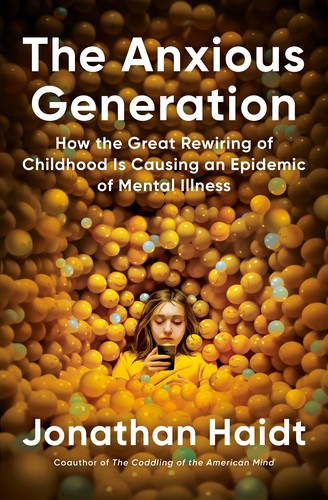
The book that moved this conversation into the mainstream. Argues childhood was rewired in the early 2010s when play-based childhood was replaced by phone-based childhood, through four harms: social deprivation, sleep deprivation, attention fragmentation and addiction. Proposes four norms — no smartphone before high school, no social media before 16, phone-free schools, far more unsupervised play.
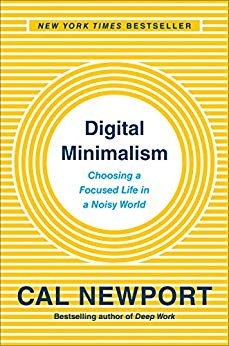
The clearest practical philosophy in the field. A thirty-day declutter, then reintroducing only the tools that genuinely serve something you value. If you read one book on this list to change what you do rather than what you think, read this one.
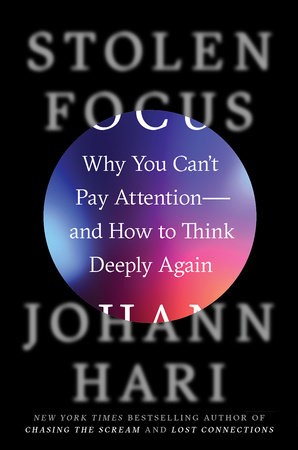
Argues your attention was not lost, it was taken — by twelve structural causes, of which technology is only one. Includes sleep, diet, pollution and the death of mind-wandering. The most humane book here: it refuses to blame you.
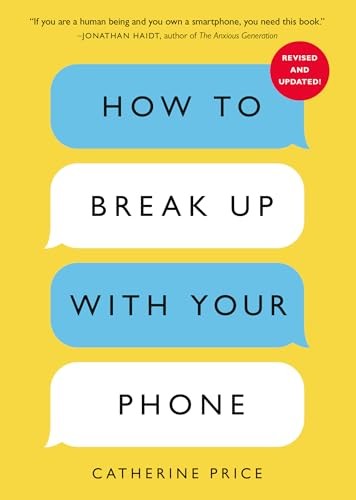
A thirty-day plan that actually works, written with warmth and no lecturing. Get the 2025 revision rather than the 2018 original.
Why it has hold of you
A Stanford addiction psychiatrist on the pleasure-pain balance: chronic stimulation drives the brain to compensate downward, so the thing that used to feel good is now just what stops you feeling bad. The best explanation of why the fun went out of it and you still cannot stop.
How products are deliberately iterated toward compulsion — goals, feedback, escalation, cliffhangers, social pressure. Reads like a design post-mortem on your own evening.
The instruction manual. This is the book that taught Silicon Valley the trigger-action-variable-reward-investment loop. Read it to understand exactly what is being done to you, in the words of the people doing it.
The same author, five years later, on how to escape it. He argues distraction is driven by internal discomfort rather than the technology — a claim genuinely disputed by Haidt and Hari. Read all three and make up your own mind.
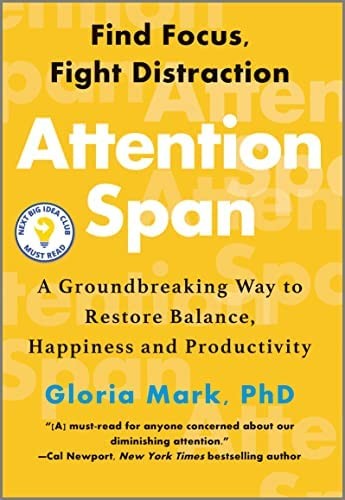
The researcher whose data everyone else quotes, explaining it herself. This is where the finding that we now last about 47 seconds on a screen comes from.
The bigger machine
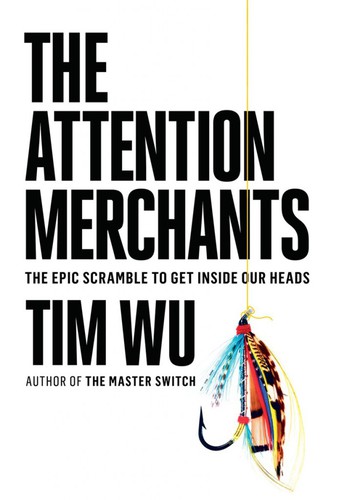
The history of selling human attention, from 1830s penny papers to the feed. Once you see that every medium ran the identical business model, the present stops looking like an accident.
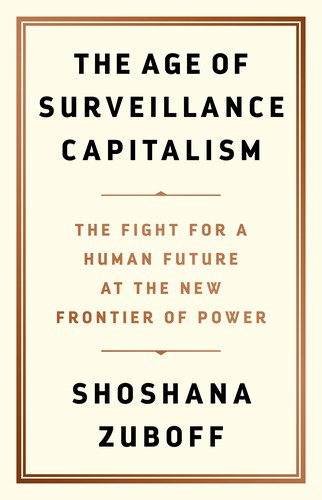
Long, dense and worth it. Argues the product is not your attention but the modification of your behaviour.
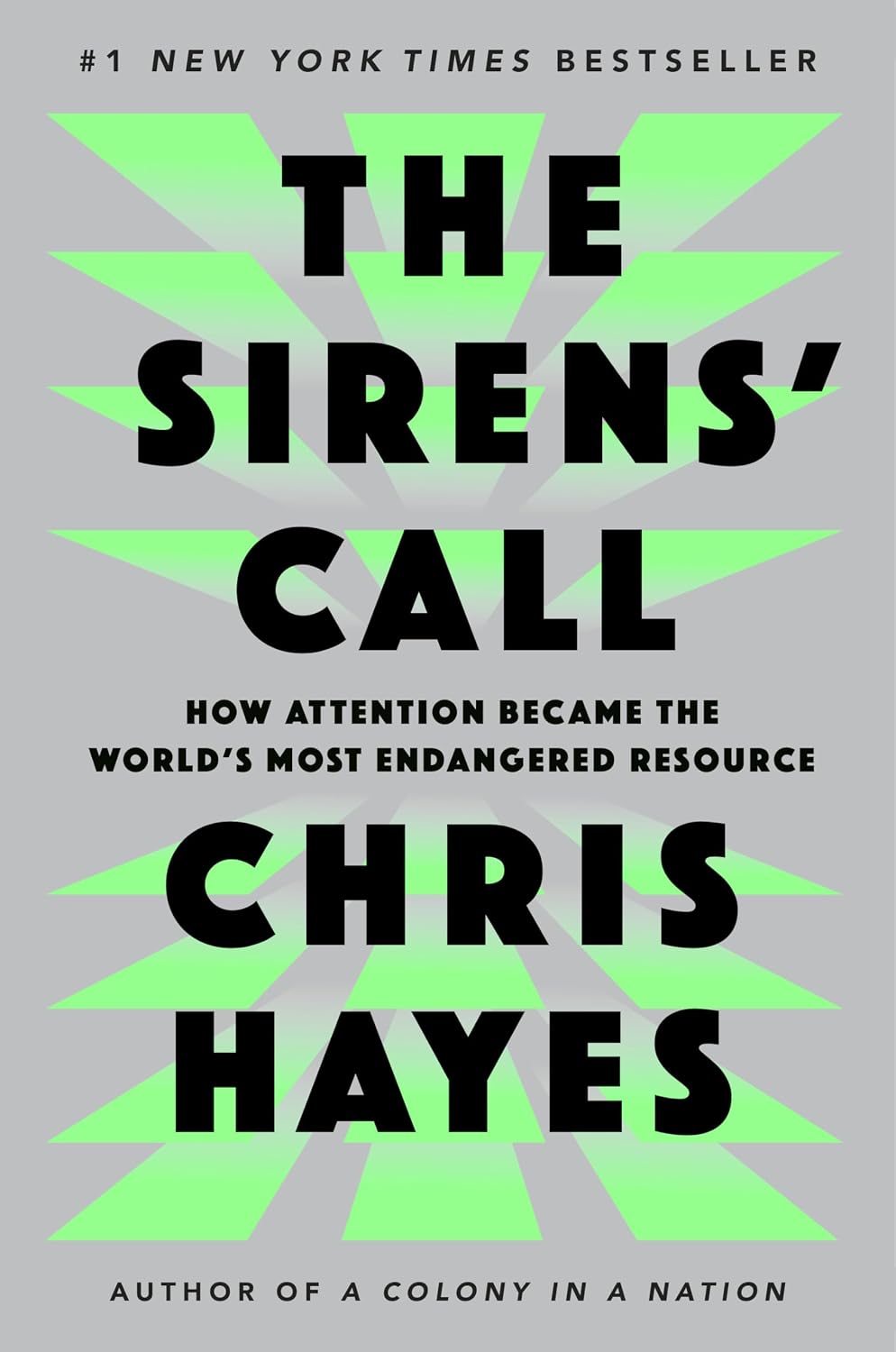
Attention as the defining extracted commodity of the age — the way labour was in the industrial era. The best recent book on what this is doing to public life.
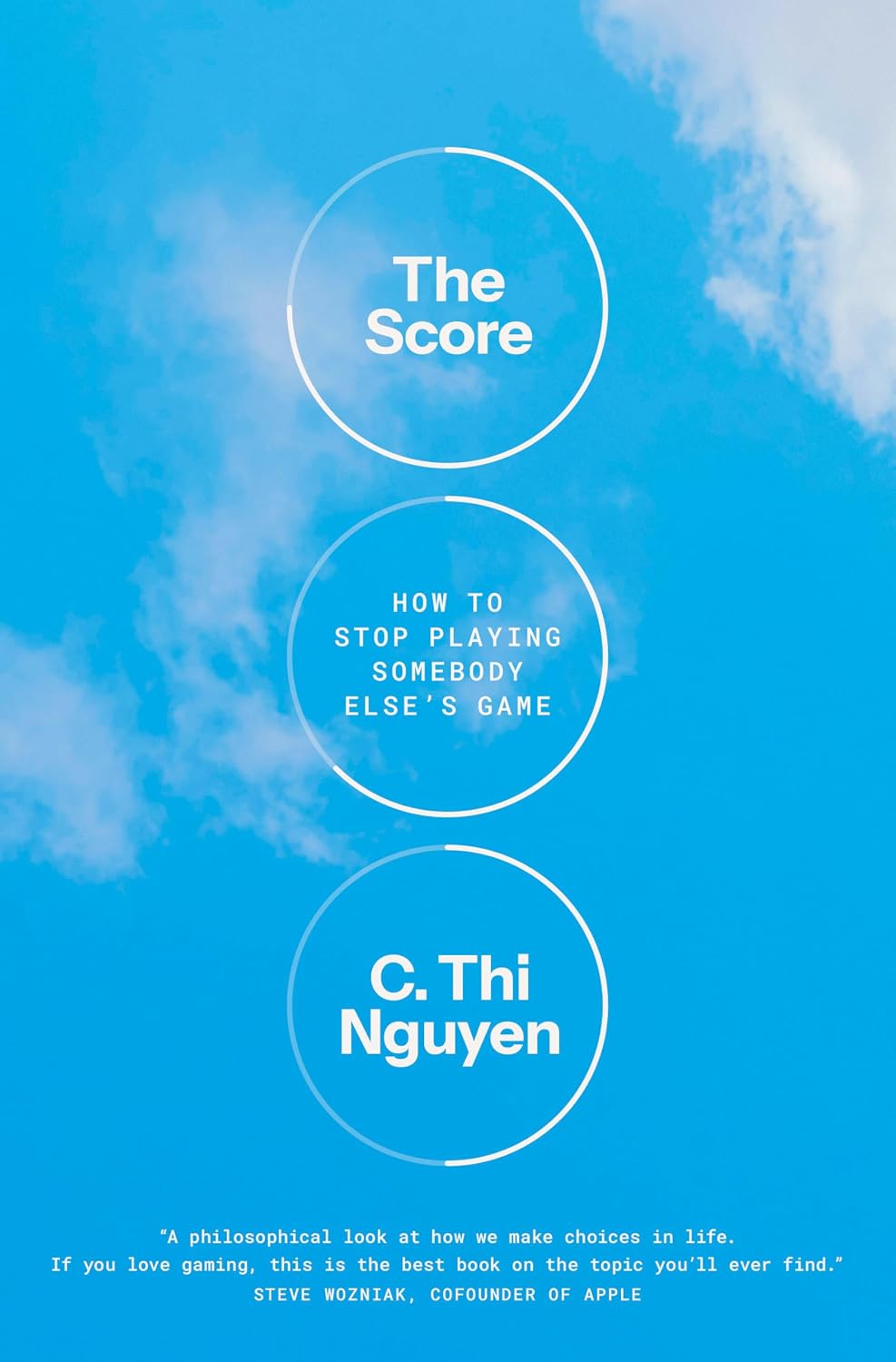
A philosopher on why scores and metrics feel so good inside a game and do so much damage outside one. The best account anywhere of why streaks, likes and step counts work on us. New, and genuinely important.
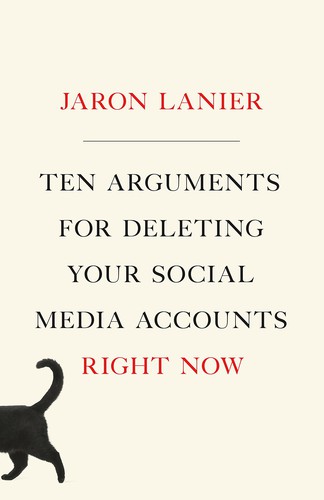
Ten short chapters from one of the people who built the early internet. Blunt, funny and hard to argue with.
The ones who saw it coming
Written before the internet existed and more accurate for it. Postman's argument is that the medium decides what a culture is able to think about — and that Huxley, not Orwell, got the future right. If you read one book on this list to understand the shape of the problem, read this.
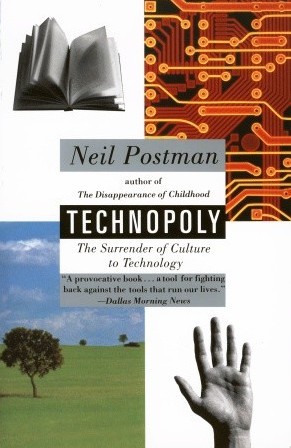
The sequel: what happens to a culture that hands its authority to technology and lets efficiency displace judgement.
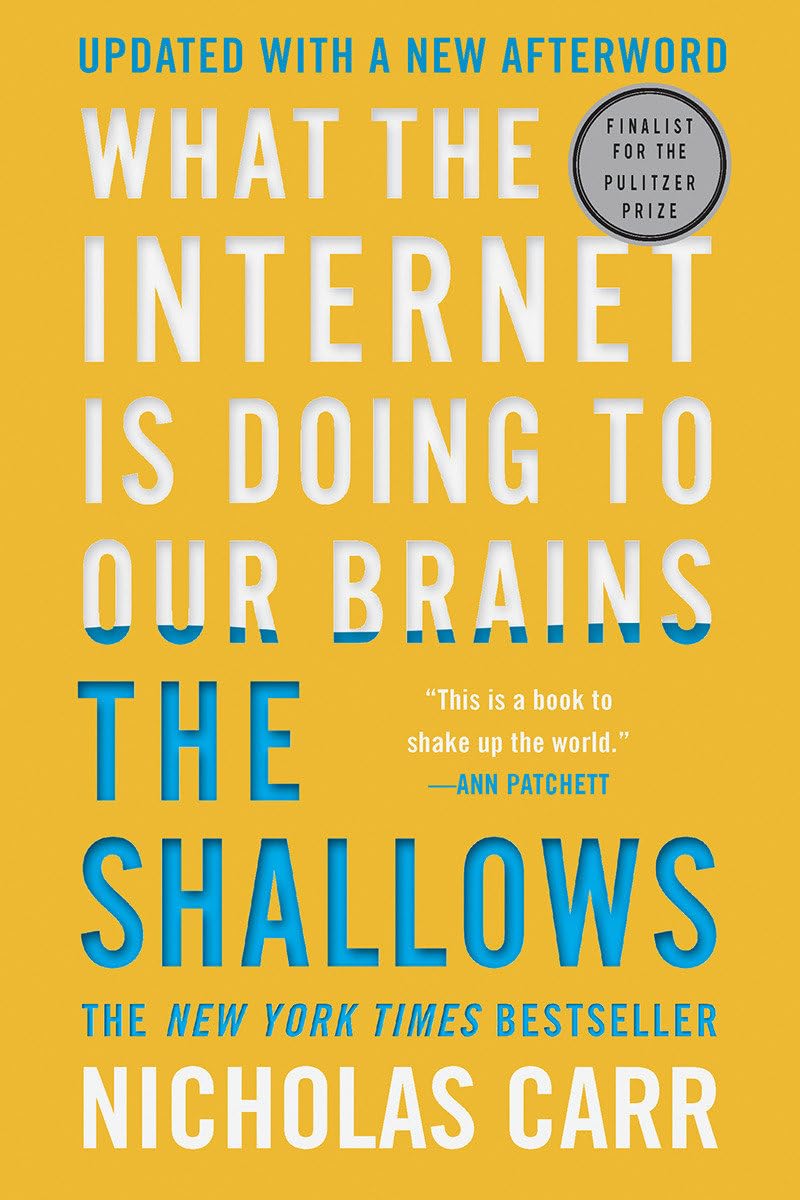
What the net is doing to our capacity for deep reading. Get the tenth-anniversary edition.
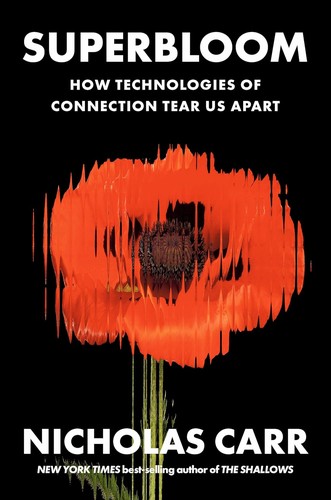
Carr's newest, and the most interesting argument in it is that more communication does not produce more understanding — it produces less. Messaging strips nuance; digital crowding erodes empathy.
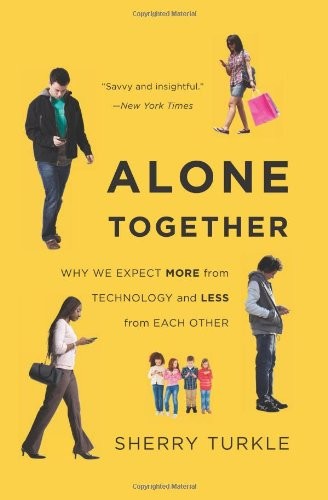
An MIT psychologist on expecting more from technology and less from each other.
The follow-up, and the more useful of the two: face-to-face conversation is where empathy and self-reflection are built, and we traded it for connection.
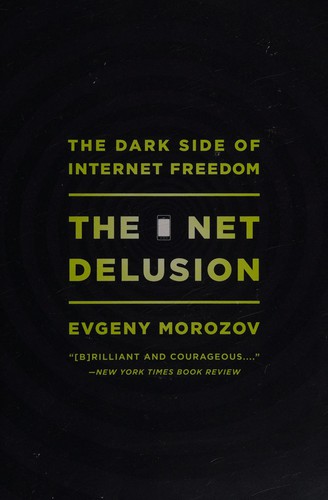
The original demolition of the idea that connection is automatically liberating. Political rather than personal, and it has aged frighteningly well.
Getting your life back
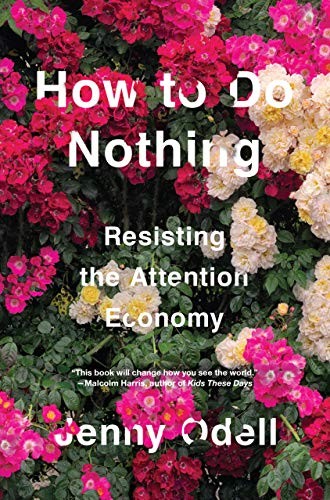
Not a productivity book and not anti-technology. Argues that refusing to convert your attention into economic value is a political act. Beautiful, strange, and the best antidote to the optimisation mindset.
The anti-time-management book. You get about four thousand weeks. Efficiency is mostly a way of avoiding that fact.
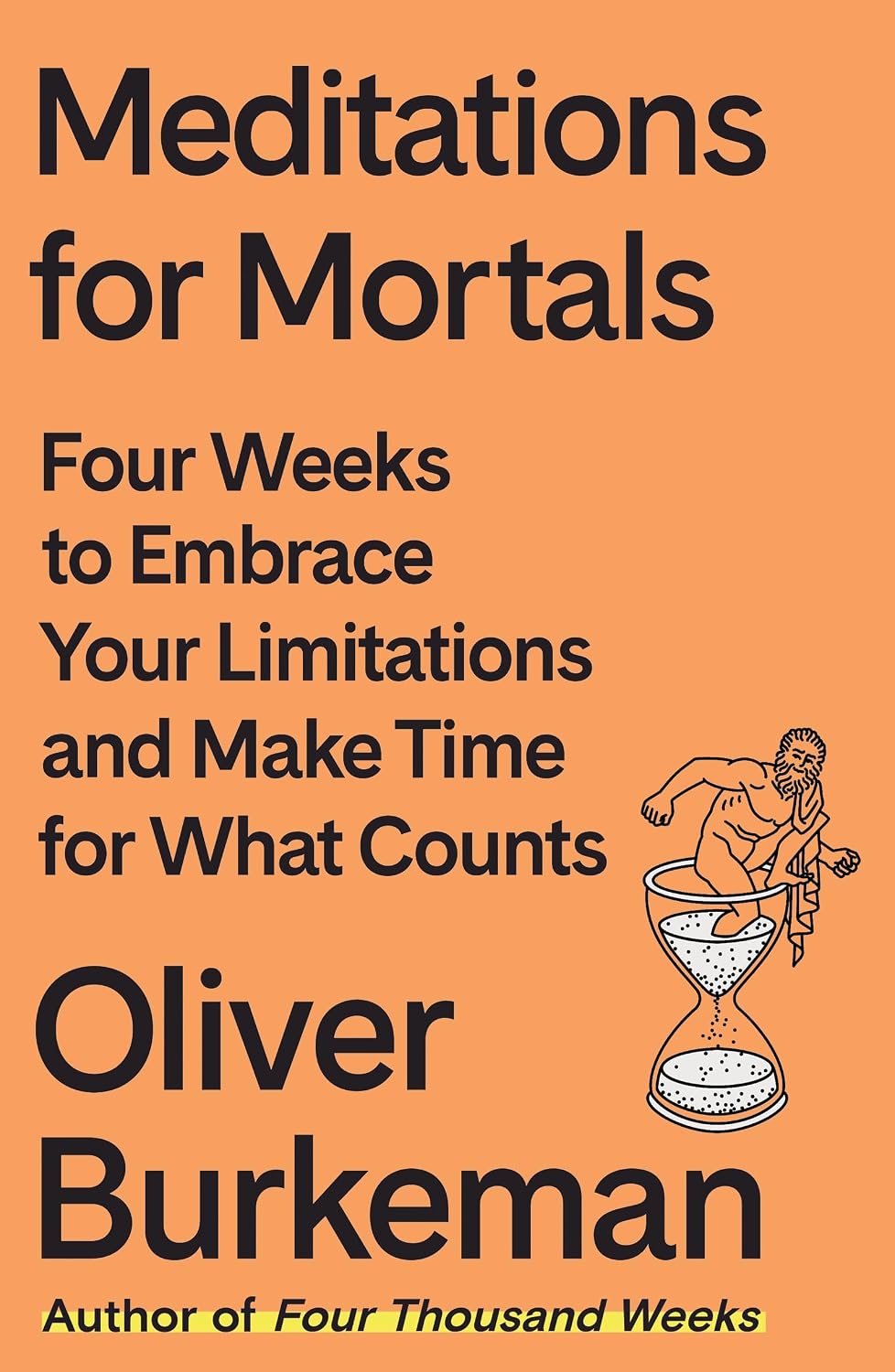
A four-week companion to the above, one short chapter a day. Good as a structured practice.
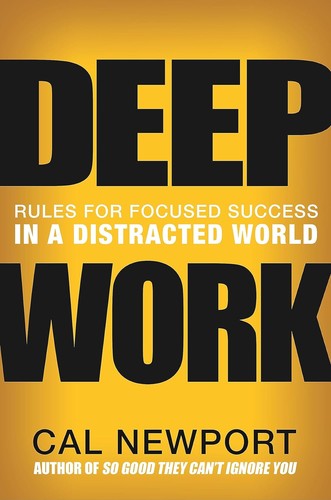
The case that uninterrupted concentration is both increasingly rare and increasingly valuable — and how to rebuild the capacity for it.
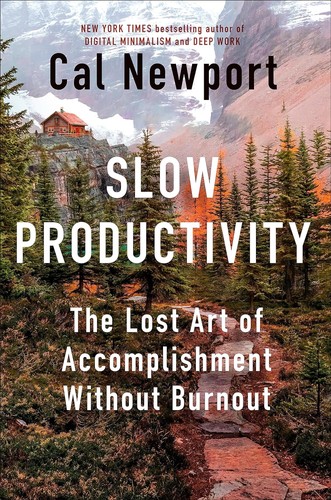
Do fewer things, work at a natural pace, obsess over quality. The antidote to pseudo-productivity.
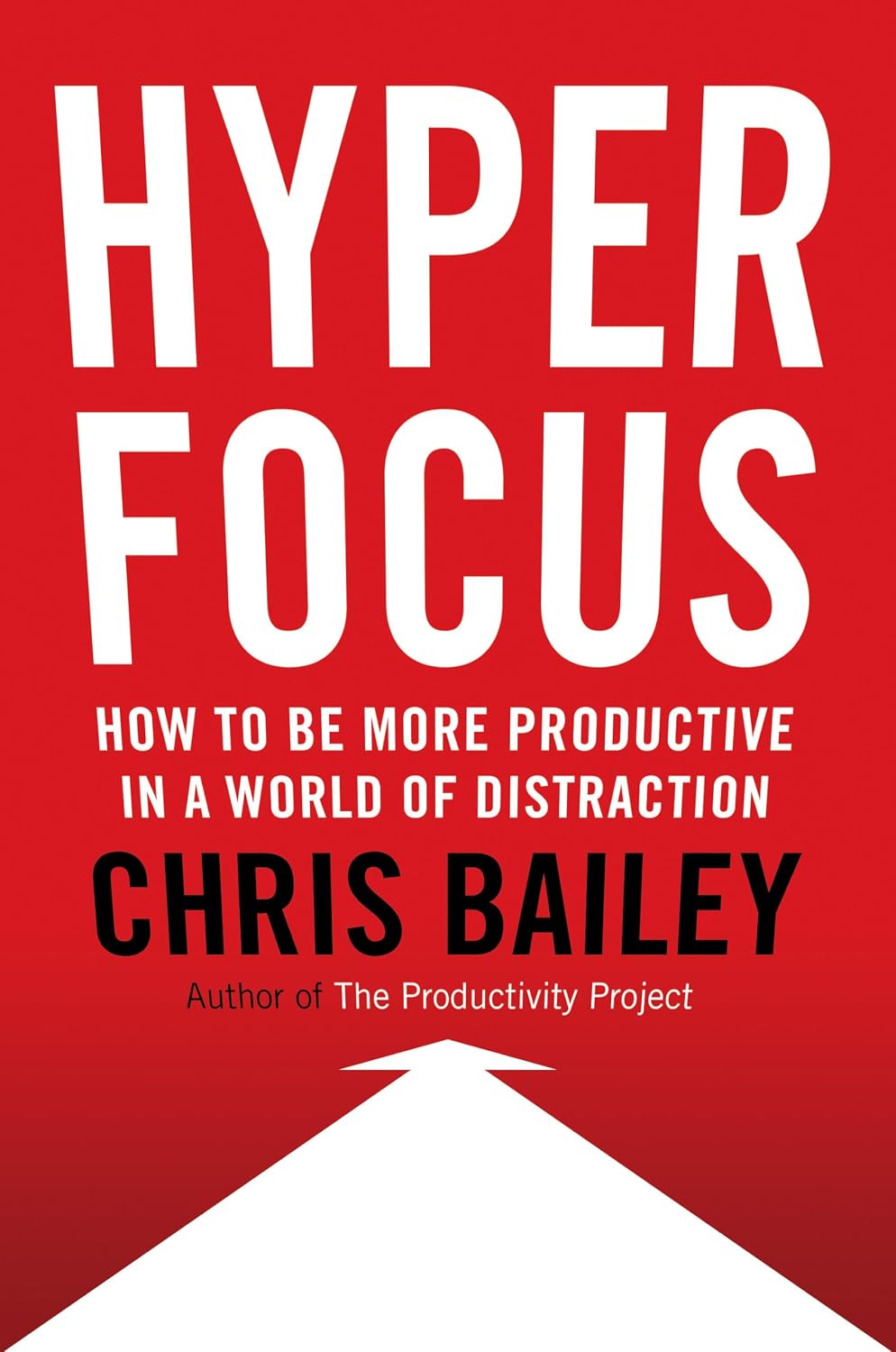
On needing both deliberate single-tasking and deliberate mind-wandering. Creativity depends on the second, which almost nobody protects.
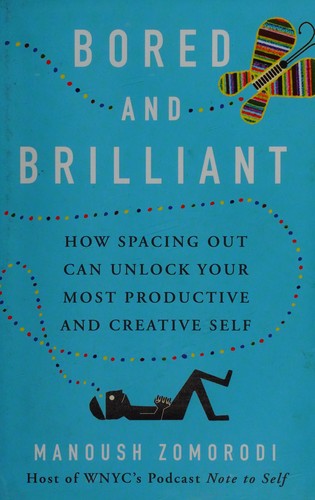
Grew out of a radio challenge in which thousands of listeners deliberately reintroduced boredom. Accessible and structured.
Recovery
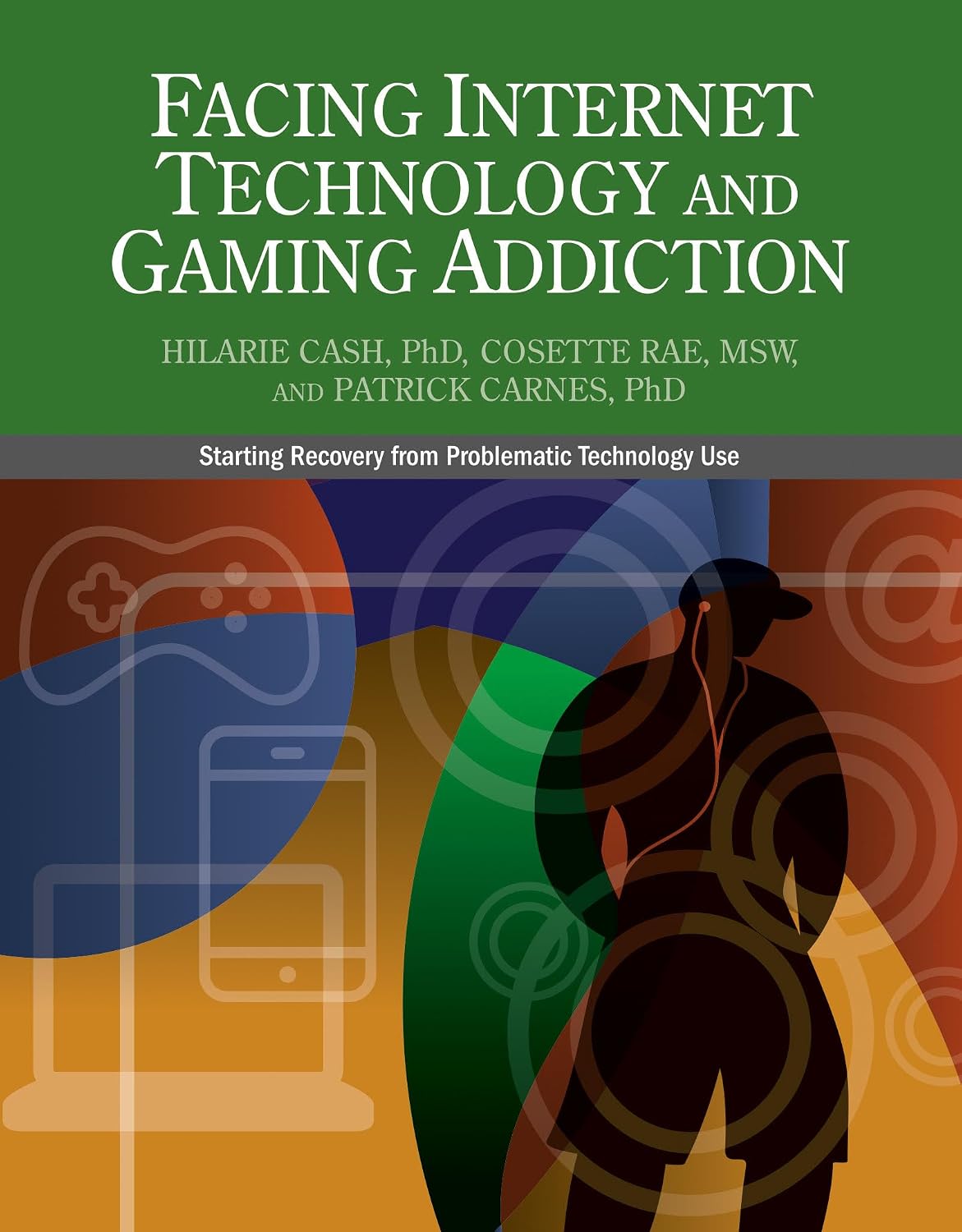
The most clinically serious workbook in this space, from the founders of the first US residential programme for internet and gaming addiction. If it has gone past self-help, start here.
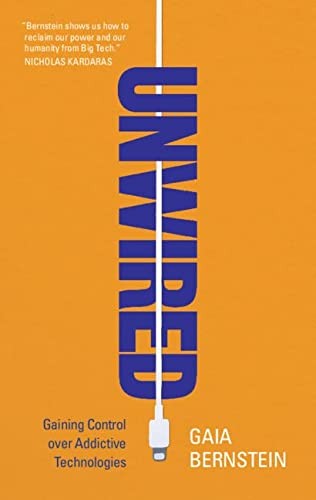
A law professor arguing that individual self-control is the wrong frame — as it was with tobacco — and that the burden belongs on design and regulation. Useful if you want to understand what policy and product design can change.
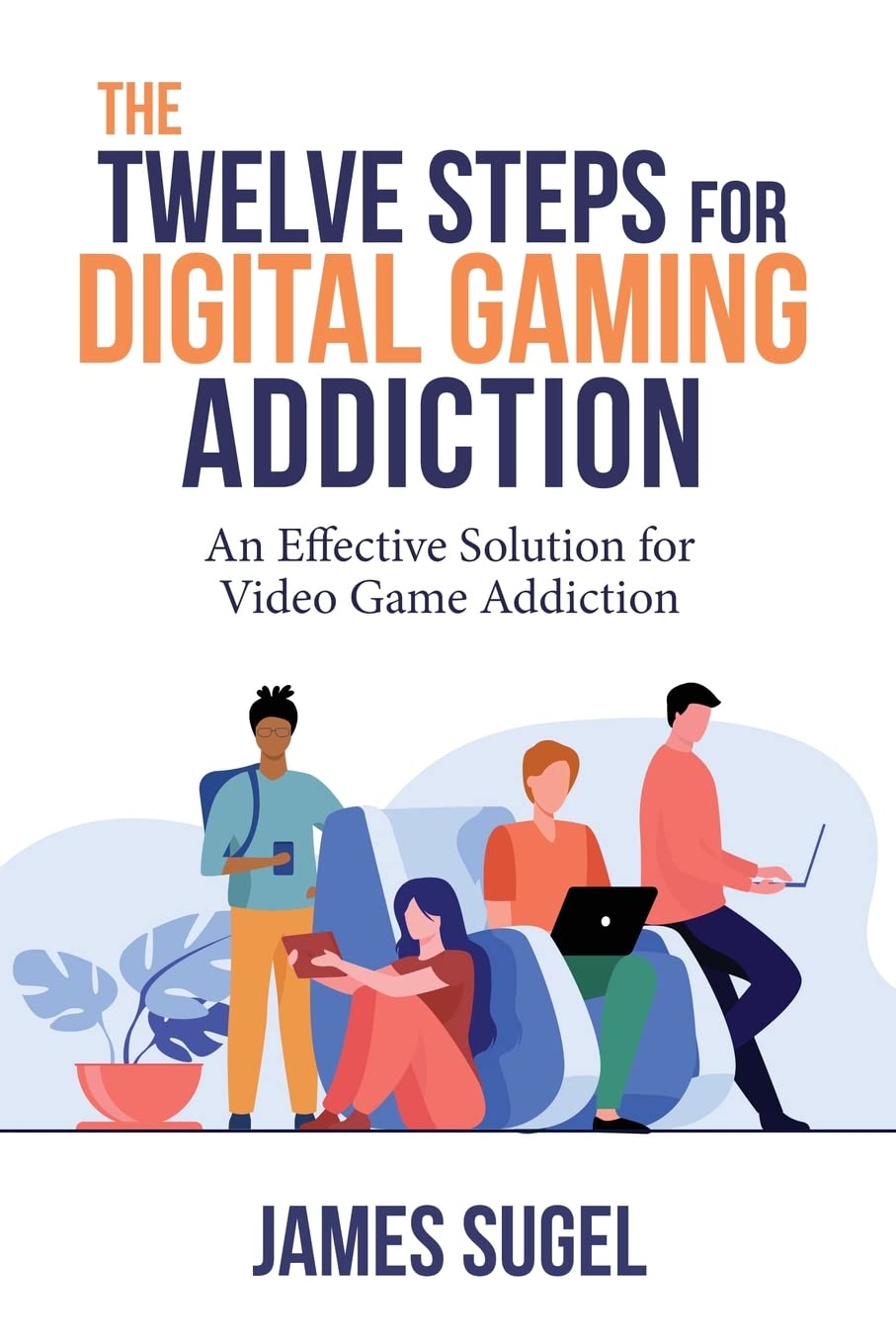
A step-by-step adaptation of the twelve steps for screen and gaming compulsion.
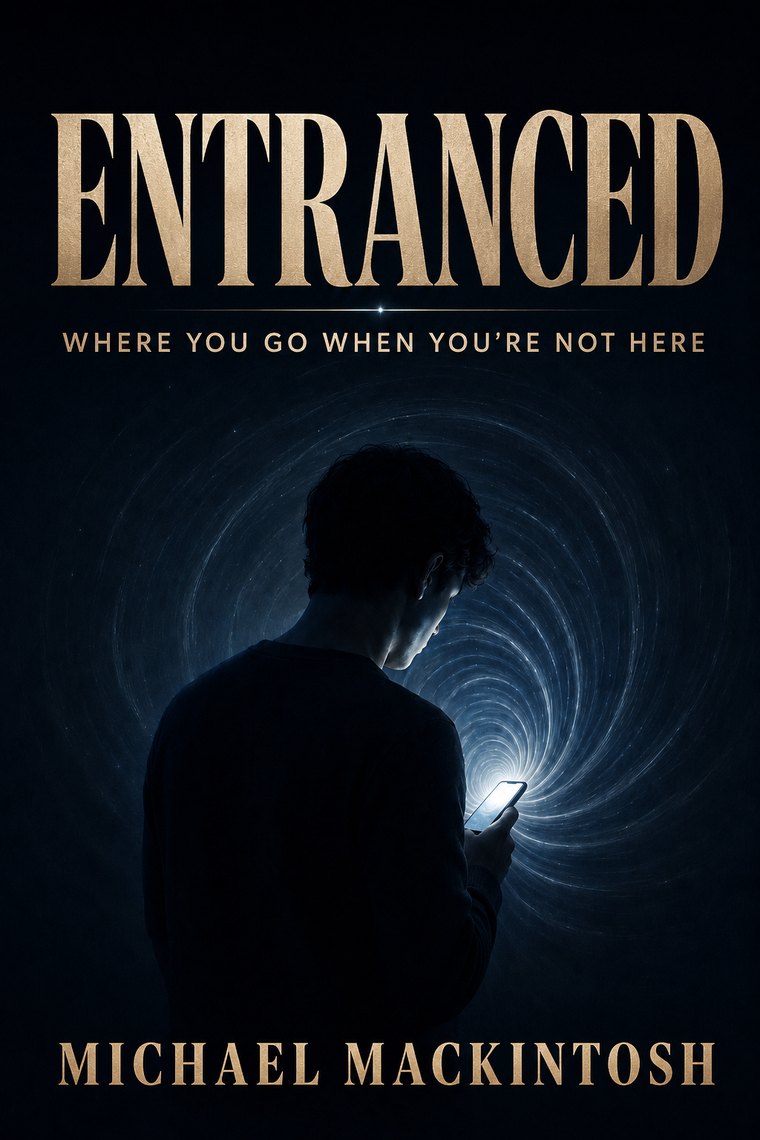
My own — thirty years inside the trance and the long walk home. Part I is free to read on this site, with no signup.
For parents
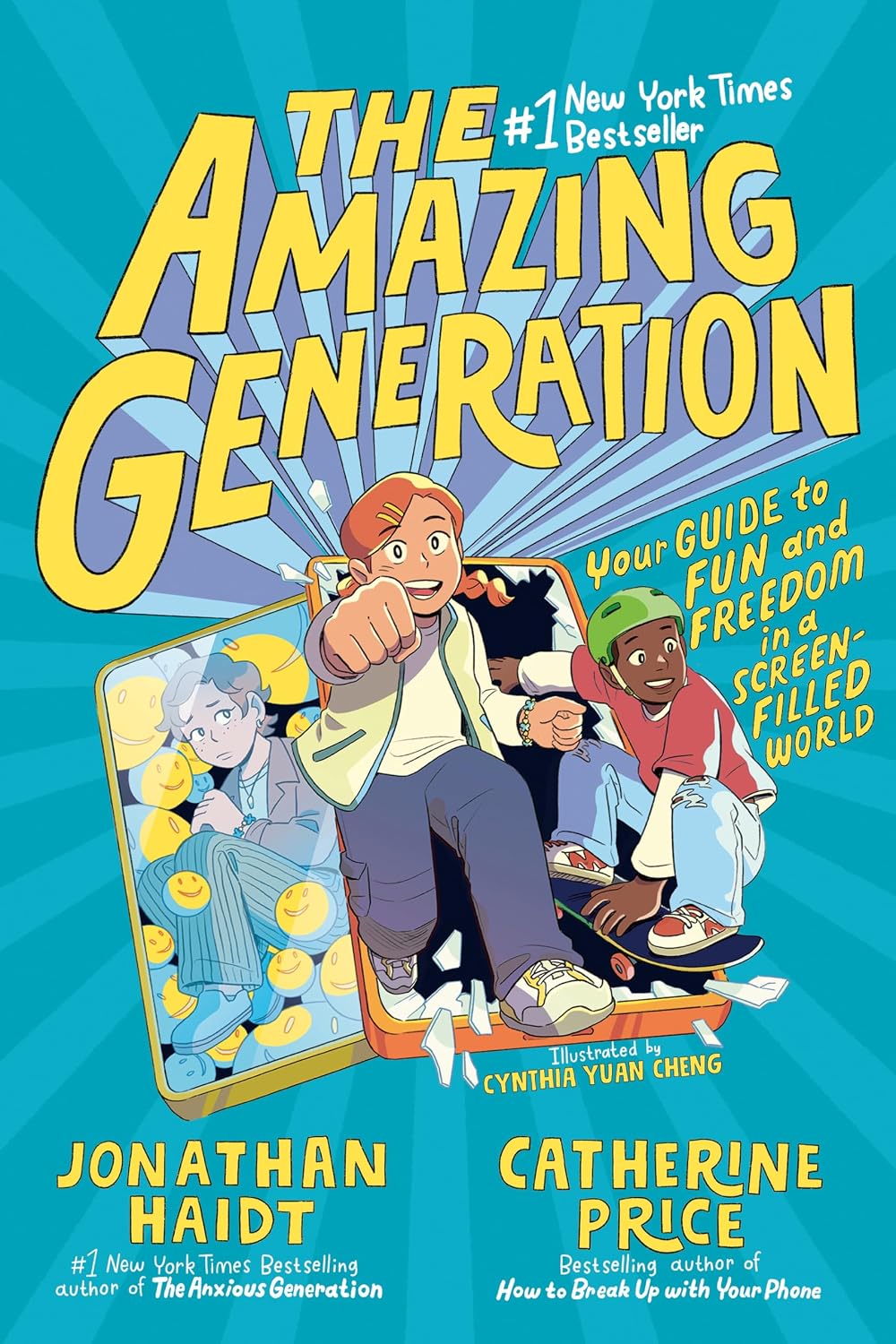
The companion to The Anxious Generation, written for children aged roughly 9–13 rather than about them. Part graphic novel, part explainer on the attention economy. The single best thing to hand a tween who does not want to be lectured.
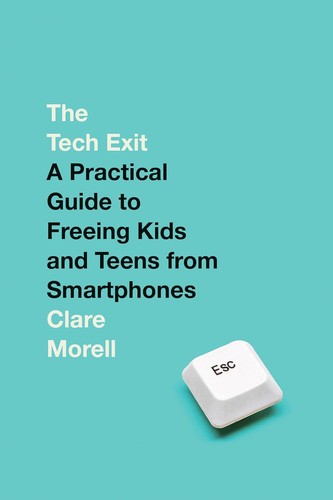
The maximalist position: parental controls do not work, so eliminate rather than manage. Written from a socially conservative think-tank perspective, which you should know going in — but the practical playbook is useful regardless of where you sit.
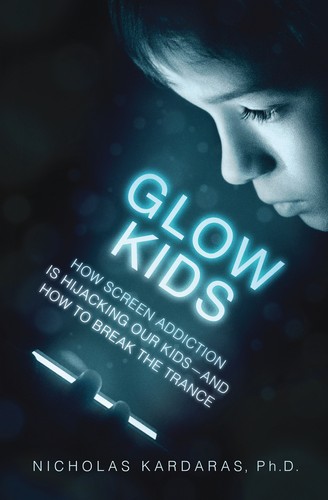
The earliest mainstream book on screen addiction in children. Strong clinical case material, occasionally overstated.
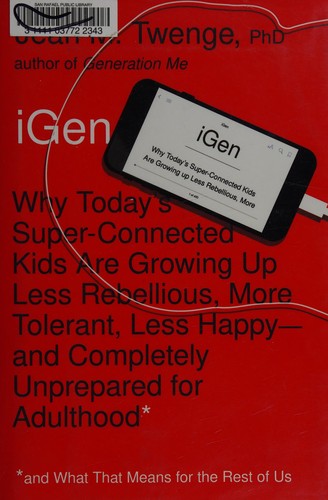
The generational data Haidt builds on, from the researcher who assembled it.
My own bookshelf The best podcasts

Michael has spent much of his working life online—and much of the rest of it trying to stop that technology taking over. He has thrown a phone into a lake, locked devices in boxes and experimented with long periods offline. He writes about what helped, what failed and how to keep the useful parts of digital life.
Last updated 9 August 2026.