I have attempted to reduce my internet use and failed more than once. Within the first two or three days, I would find a reason why more internet was necessary and end up obsessively scrolling through news or falling down YouTube holes.
One moment at a time, none of it looked serious. Check the news. Watch one video. See whether anyone replied. Nothing. Drop by drop, however, it filled whole evenings.
What Doomscrolling Means
Doomscrolling is repeated scrolling through negative or distressing news, even when the experience is making you feel worse and you are not learning anything useful.
It is not a clinical diagnosis. Research on the term is still young. Studies have found associations between higher doomscrolling scores and psychological distress, lower wellbeing and fixation on negative news. Most of that evidence is correlational, so it cannot tell us that scrolling caused those outcomes or that one particular technique will cure them.
The Direct Plan
- Decide what you need to know before you open anything.
- Go to one named source rather than a social feed.
- Set the end point before you start.
- Write down what you learned or what you will do.
- Close it and move the phone out of reach.
The point is not to become uninformed. It is to stop confusing an endless stream with understanding.
1. Decide The Question First
“I need to know whether the road is closed” is a question. “I need to know what is happening” has no end.
Before opening the news, write one sentence:
I am checking ______ so I can decide ______.
If you cannot fill both blanks, the check has no defined information goal. Close the feed and decide whether what you want is relief, reassurance or simply something to do.
2. Go Directly To One Source
Do not enter through a feed that mixes reporting, opinion, reaction, video and unrelated posts. Choose a source you trust, open its site or app directly, and look for the answer to your question.
For an emergency, use the source closest to the event: the weather service, transport authority, school, local government or the person involved. The social feed can wait.
3. Give The Check An End
Choose one article, one bulletin or a timer. The correct end point depends on the situation; the important part is that it exists before you begin.
Remove the features that make the boundary harder:
- Turn off breaking-news and social-media notifications.
- Remove news and social apps from the first phone screen.
- Use a browser bookmark to the publication, not its social account.
- Keep the phone out of the bedroom.
The phone setup guide gives current iPhone and Android instructions for notifications, app removal, Focus modes and bedtime schedules.
4. Turn Information Into Something Concrete
At the end, write two lines:
- What did I learn?
- What, if anything, will I do?
If you cannot name either one, another twenty minutes is unlikely to make the scroll more useful. Close it.
If the news concerns something you care about, choose one proportionate action: contact somebody, make a plan, donate, volunteer, vote, prepare or schedule a later time to learn properly. Action is not always possible, but the question separates information from repeated exposure.
5. Use A Different Way To Come Down At Night
Night scrolling often begins after the useful part of the day is over. Remove it without replacing it and the empty space remains.
Choose something simple with a natural finish: shower, paper book, short walk, tea, music, stretching, a conversation or writing tomorrow’s first task on paper. Then charge the phone outside the bedroom.
Do not expect the replacement to be as stimulating as a live feed. That is the point. You are preparing to sleep, not trying to find a healthier form of endless novelty.
If You Are Scrolling Right Now
- Put the phone down.
- Stand up.
- Plug it in outside the room.
- Write down anything you genuinely need to check tomorrow.
If it is the middle of the night, use the short 3am page. If screen use is affecting your sleep, the screen-time and sleep guide separates what the research shows from what it does not.
When The Plan Does Not Hold
If you repeatedly return to the feed despite serious costs to sleep, work, relationships or mental health, treat that as information rather than a moral failure. A stronger structure or human support may be needed.
The serious-help page lists free peer-support meetings and professional routes. If the content is increasing anxiety, depression or thoughts of harming yourself, contact a qualified mental-health professional or an immediate crisis service in your country.
Sources and limits: Michael’s failed detox and obsessive-news account comes from his original 2018 Digital Detox journal in the Entranced manuscript. Research links: the 2022 Doomscrolling Scale studies, a 2024 study of 400 adults, and a COVID-era news-exposure study. These studies report associations; they do not prove that doomscrolling caused the measured distress or validate the practical plan above as treatment.
Published and evidence-checked 10 August 2026. The personal material comes from Michael’s original 2018 Digital Detox journal. The linked studies are presented as associations, not proof of cause or treatment.
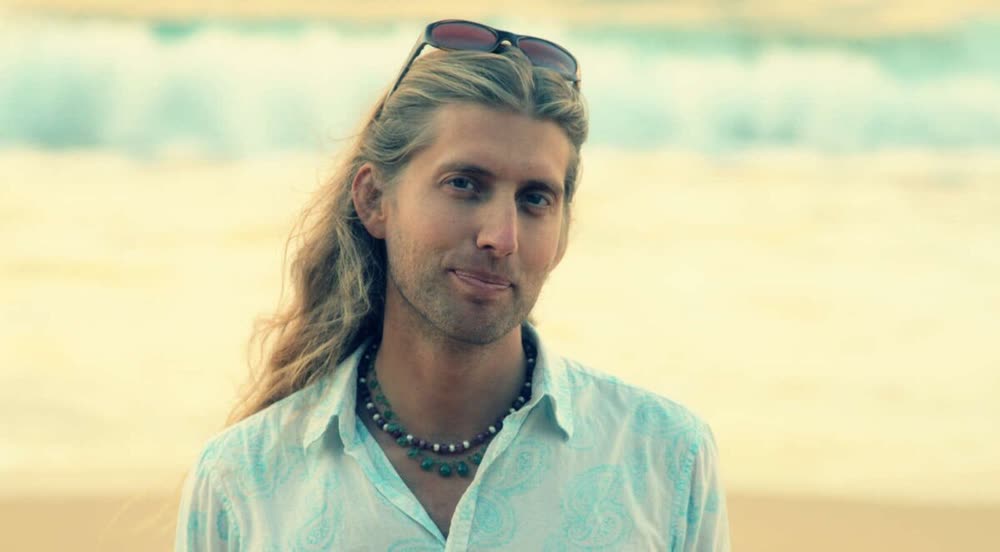
Michael has spent much of his working life online—and much of the rest of it trying to stop that technology taking over. He has thrown a phone into a lake, locked devices in boxes and experimented with long periods offline. He writes about what helped, what failed and how to keep the useful parts of digital life.