Going offline is not only about removing a screen. It is about coming back to your senses: seeing, holding, smelling and tasting what is actually in front of you.
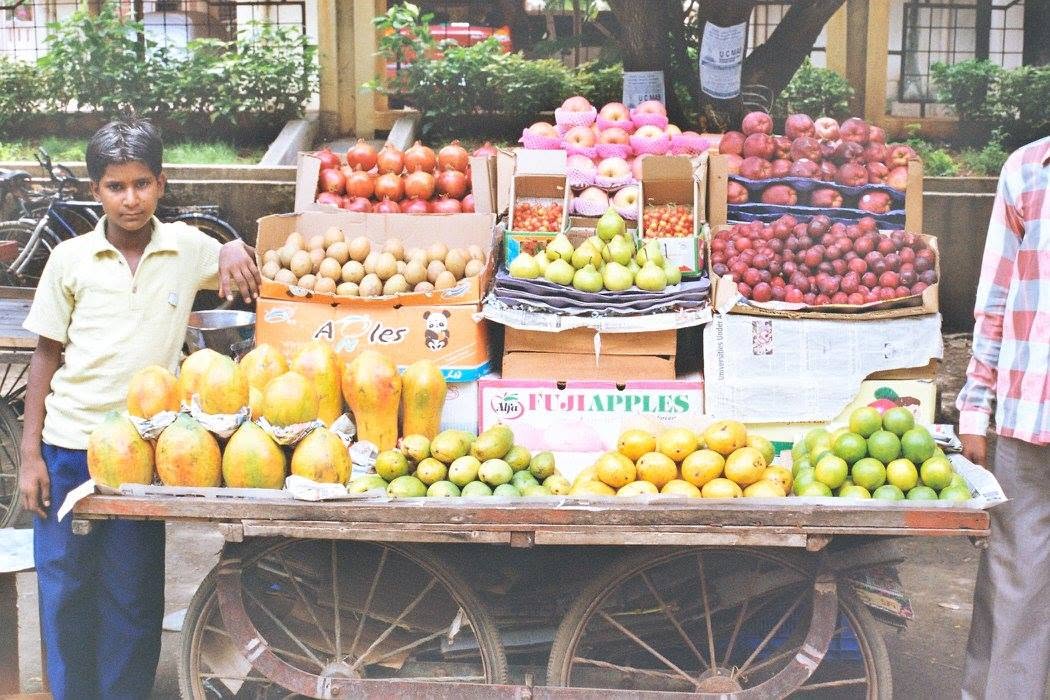
Michael's five months in Bombay
I Ate Close To A Thousand Mangoes
I spent five months in India, based in Bombay. Every couple of weeks, about five different mango varieties seemed to turn up. Fruit was arriving from all over the country, so the market kept changing.
I would take my biggest traveller's rucksack and every bag I could carry, fill the lot with mangoes and haul them home. Some of those loads must have weighed twenty pounds. I had to stop on the stairs and rest because they were so heavy.
I must have eaten close to a thousand mangoes during those months. For a while, I pretty much lived on them.
Those mangoes were so good that I genuinely thought: people say there was never a golden age. All they need to do is eat one of these mangoes. They were that good. You cannot get a sense of them from a description. You have to taste one yourself.
Indian mangoes were on another level from any mango I had eaten elsewhere. India is one of the mango's ancient homes, and eating the fruit there felt like meeting it where it belonged.
Before the internet took up so much of my attention, adventures like this felt clearer. I have not done anything quite like it since. I have been busy with other things, often online things. But that is the point: the world is still there, full of tastes, places and small obsessions you cannot discover by scrolling.
Attention has a body
Give Your Senses The Job Your Phone Has Been Doing
Scrolling keeps attention on a lit rectangle. A tasting sends it back into your hands, nose, mouth and surroundings. You are not trying to become a mango expert. You are practising how to notice.
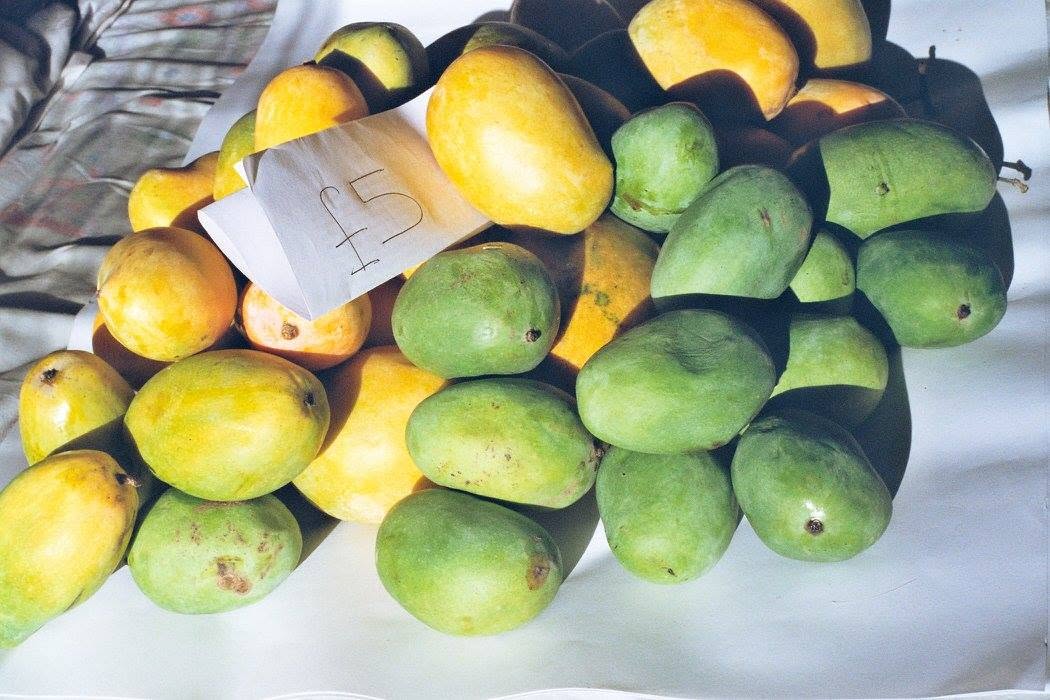
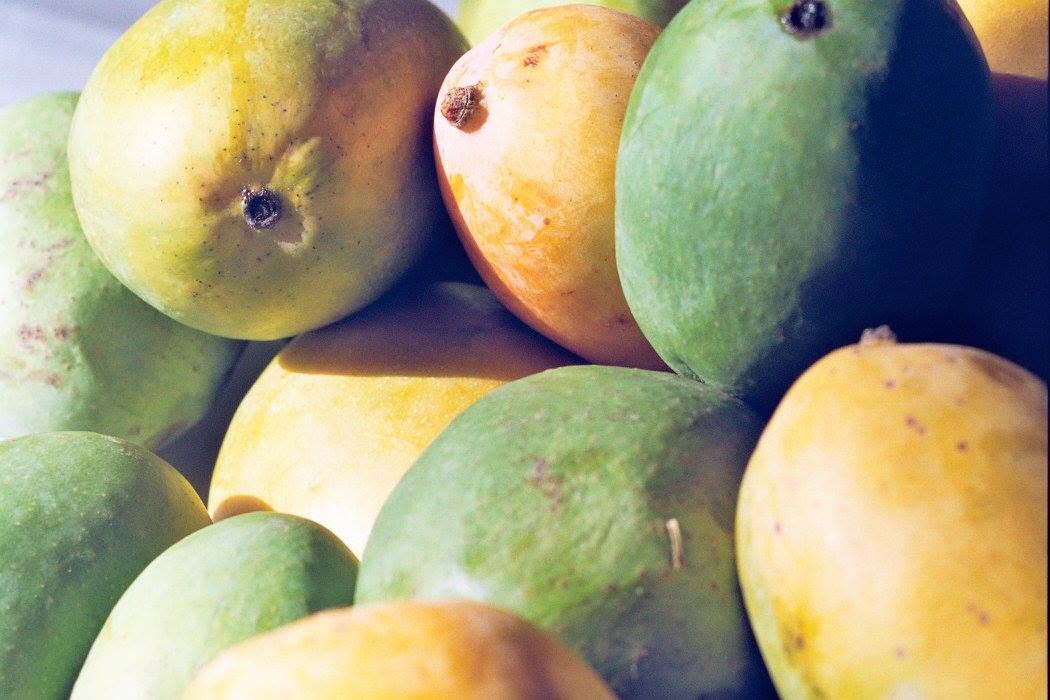
Notice colour, shape, bruises and the point where green becomes gold. Do not assume colour alone proves ripeness.
Feel the weight and the skin. Press gently near the stem and notice whether the fruit gives.
Bring the stem close to your nose. Compare the aroma before the first bite changes your judgement.
Notice sweetness, acidity, fibre, juice and the flavour that remains after you swallow.
Pay attention to appetite, pleasure, another bite and enough. Let your body answer before a ranking does.
India is home to about 1,000 mango varieties, although only a small share are grown commercially. The fruit does not arrive everywhere at once. Southern and western crops generally come first; northern and eastern varieties follow later. That rolling season is why one mango can taste floral and creamy while another is bright, tart or almost citrusy.
There is no honest single “best mango.” The fun is in the disagreement. Try the seven below when you can find them, then decide what you would cross town for.
Michael's Mango Photographs
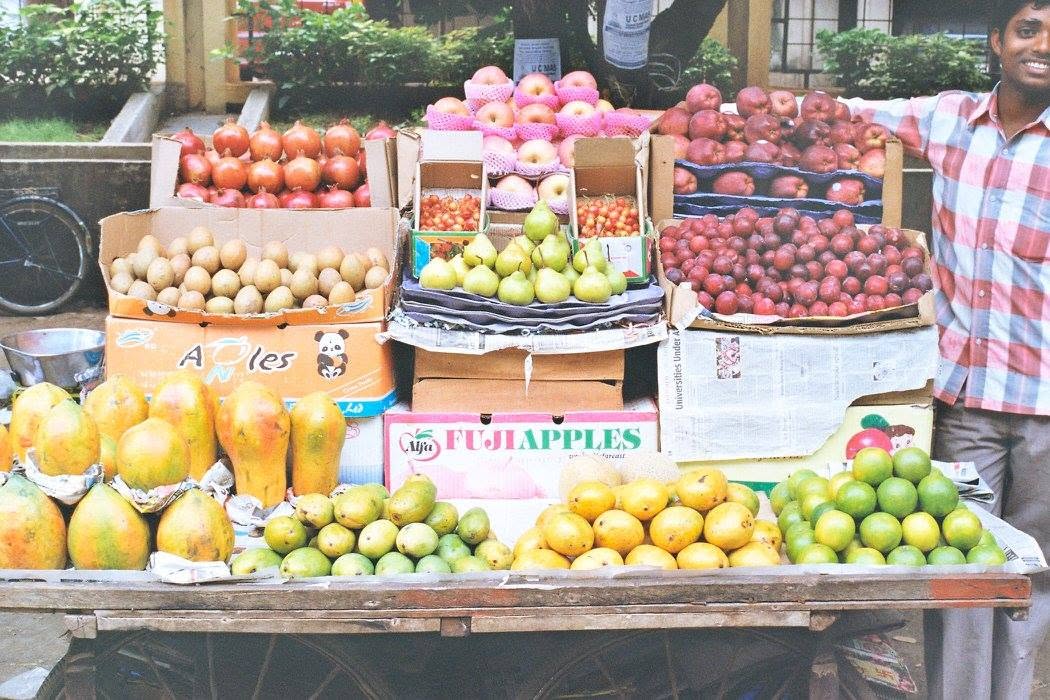
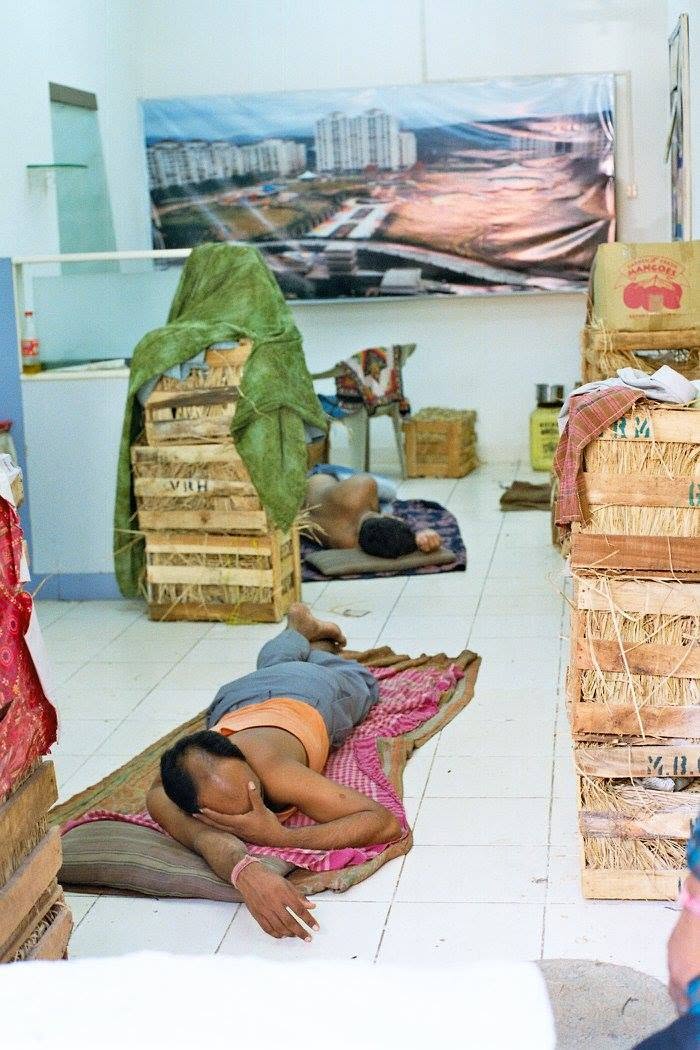
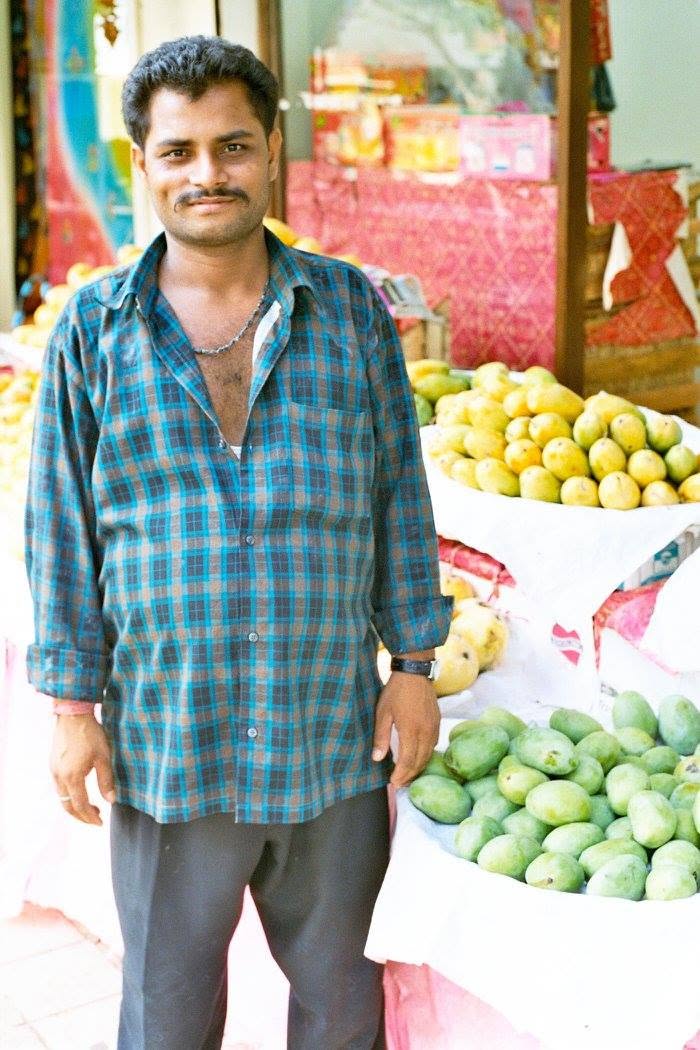
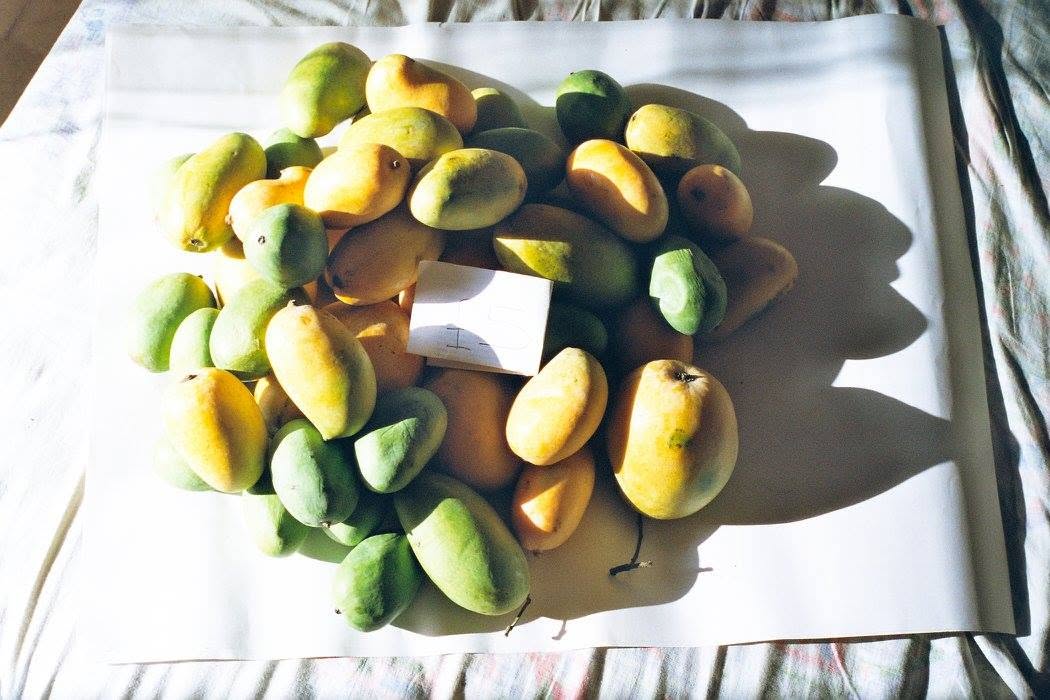
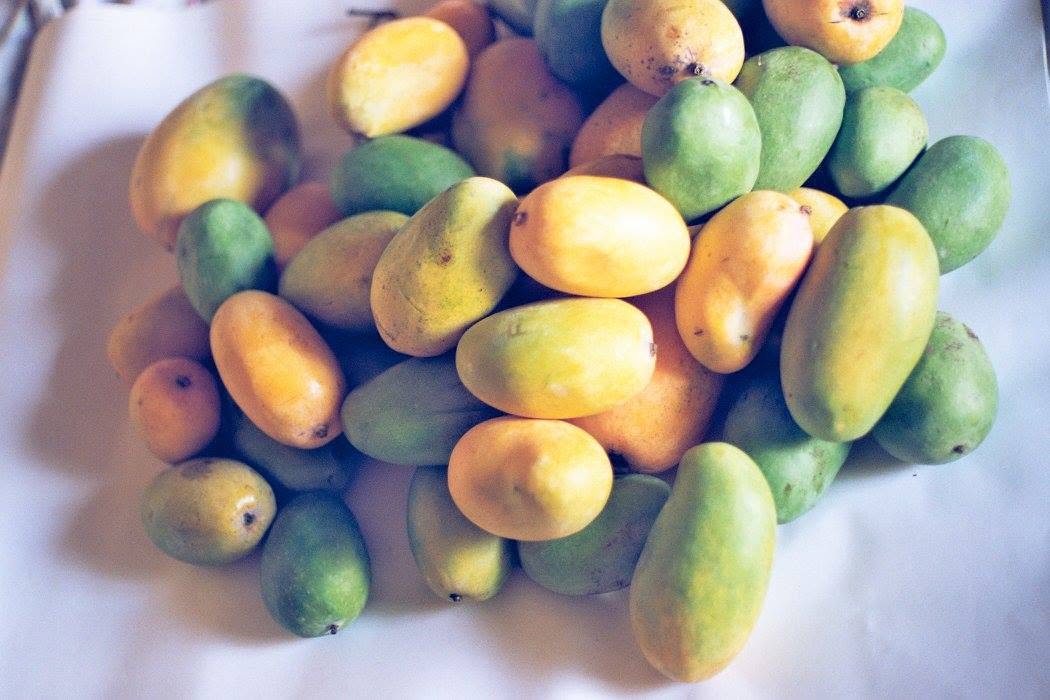
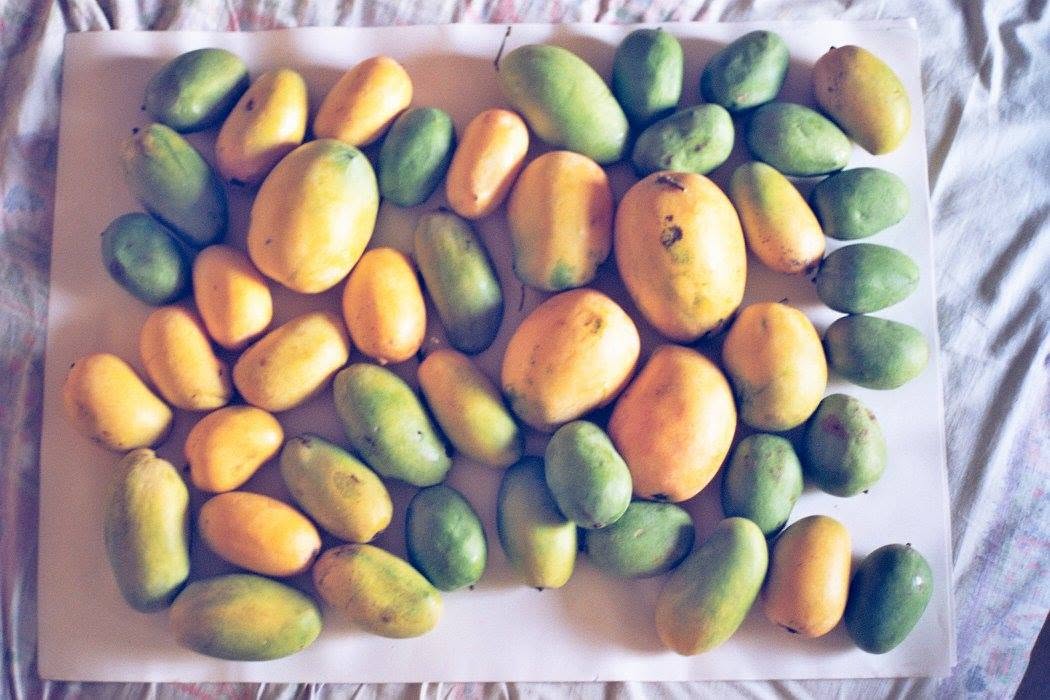
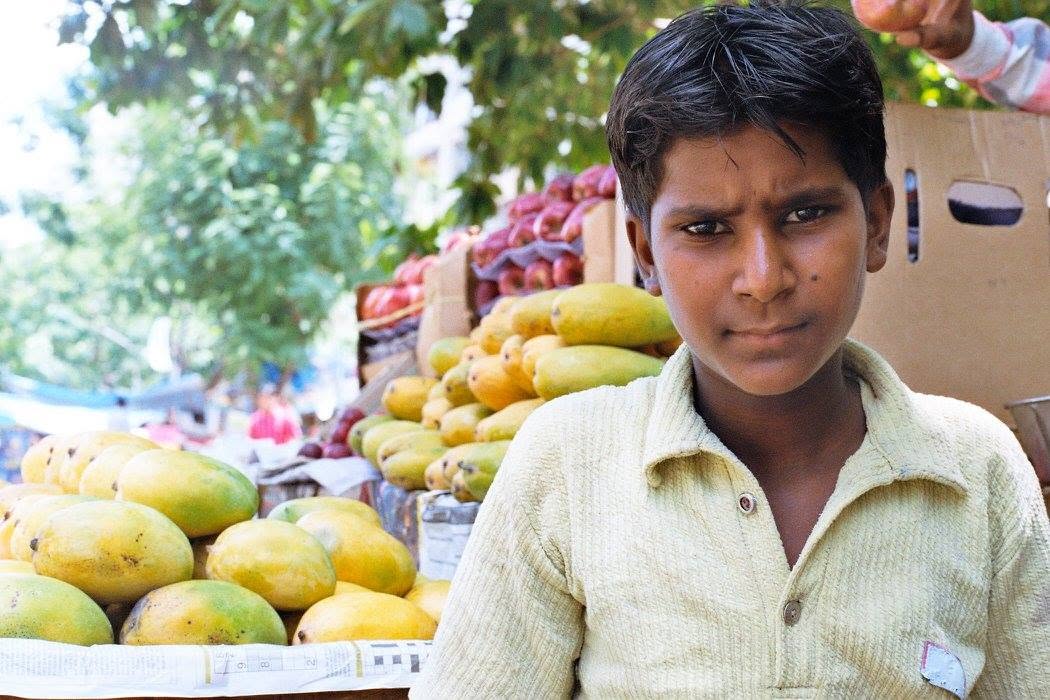
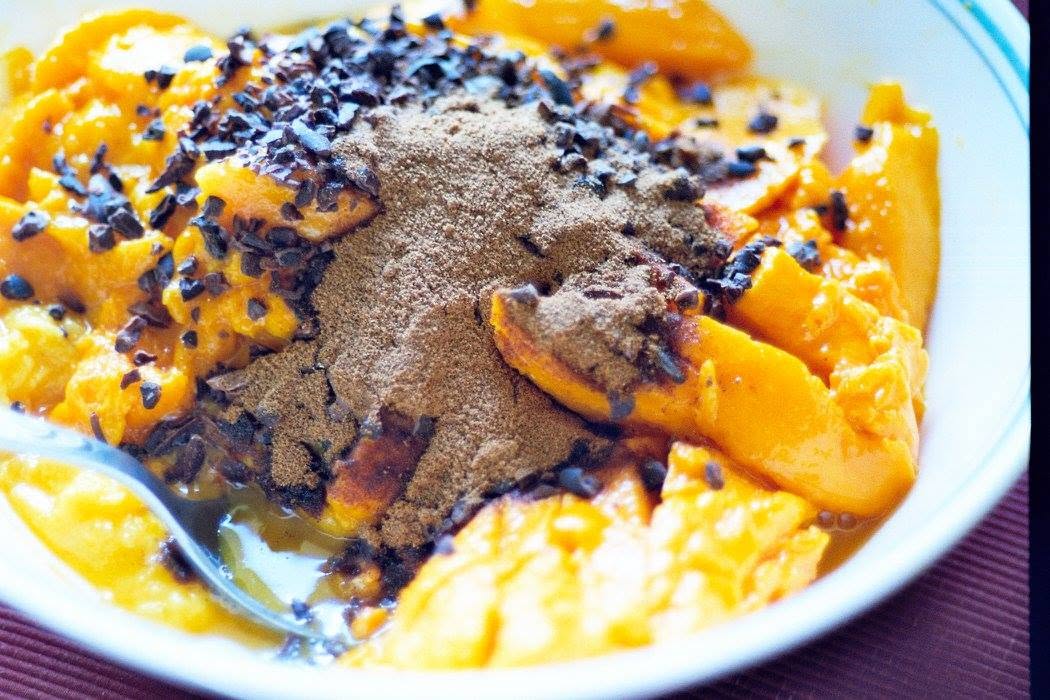
These are Michael's old photographs from the markets, stalls, rooms and mango experiments around that period. They are imperfect and personal, which is more useful here than another polished stock photograph.

Seven mangoes worth meeting
Taste The Difference Before You Choose A Favourite
Seasons vary with weather and location. Treat the dates as a planning window, not a guarantee. Ask the seller what arrived that week.
Alphonso, or Hapus
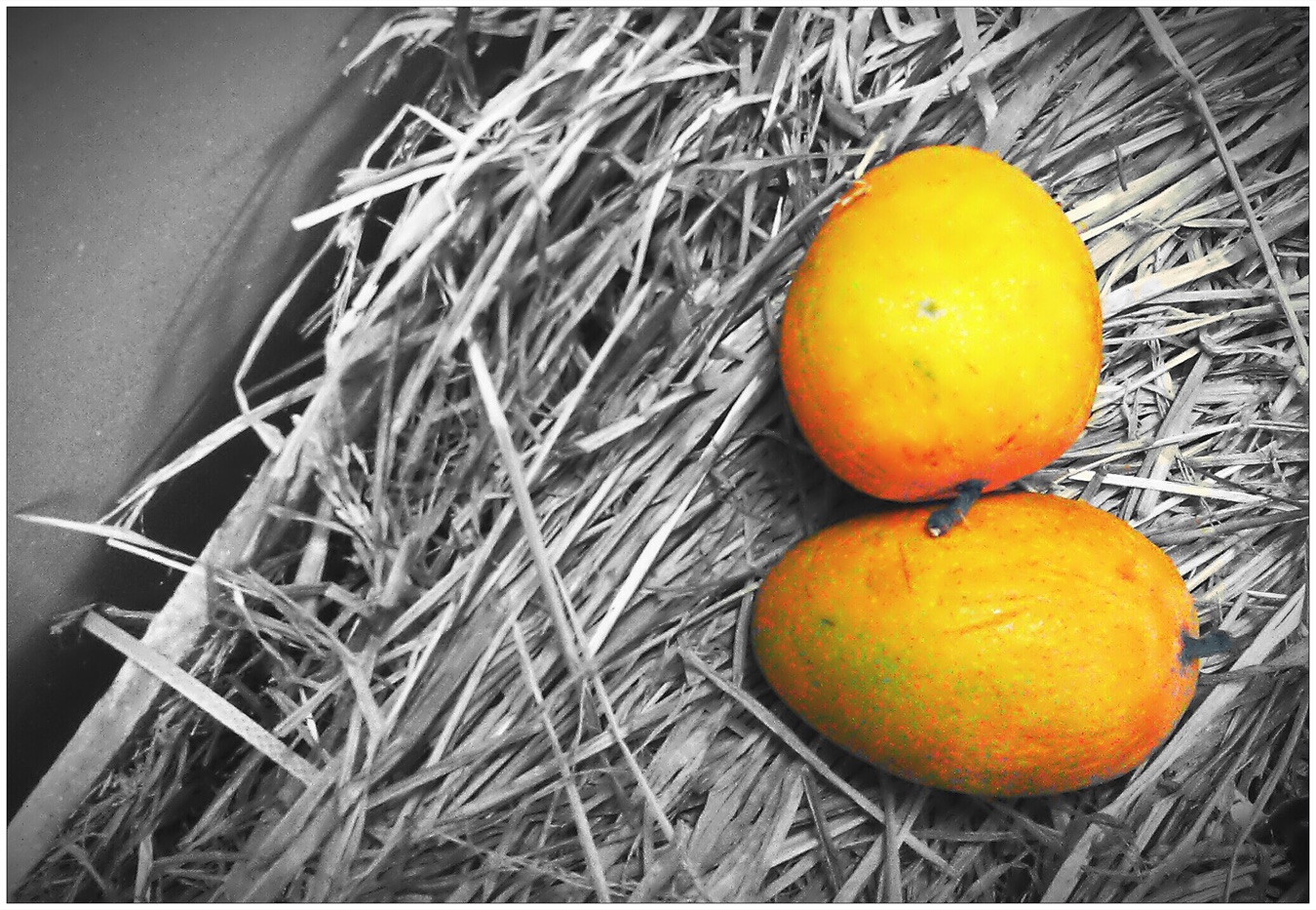
Western India · mainly April and MayAlphonso is the famous western variety associated with Maharashtra and the Konkan coast. Its rich aroma, smooth flesh and concentrated sweetness make it the dramatic opening taste in a flight.
Taste it beside: Kesar. Decide whether you prefer Alphonso’s perfume or Kesar’s fuller saffron-like sweetness.
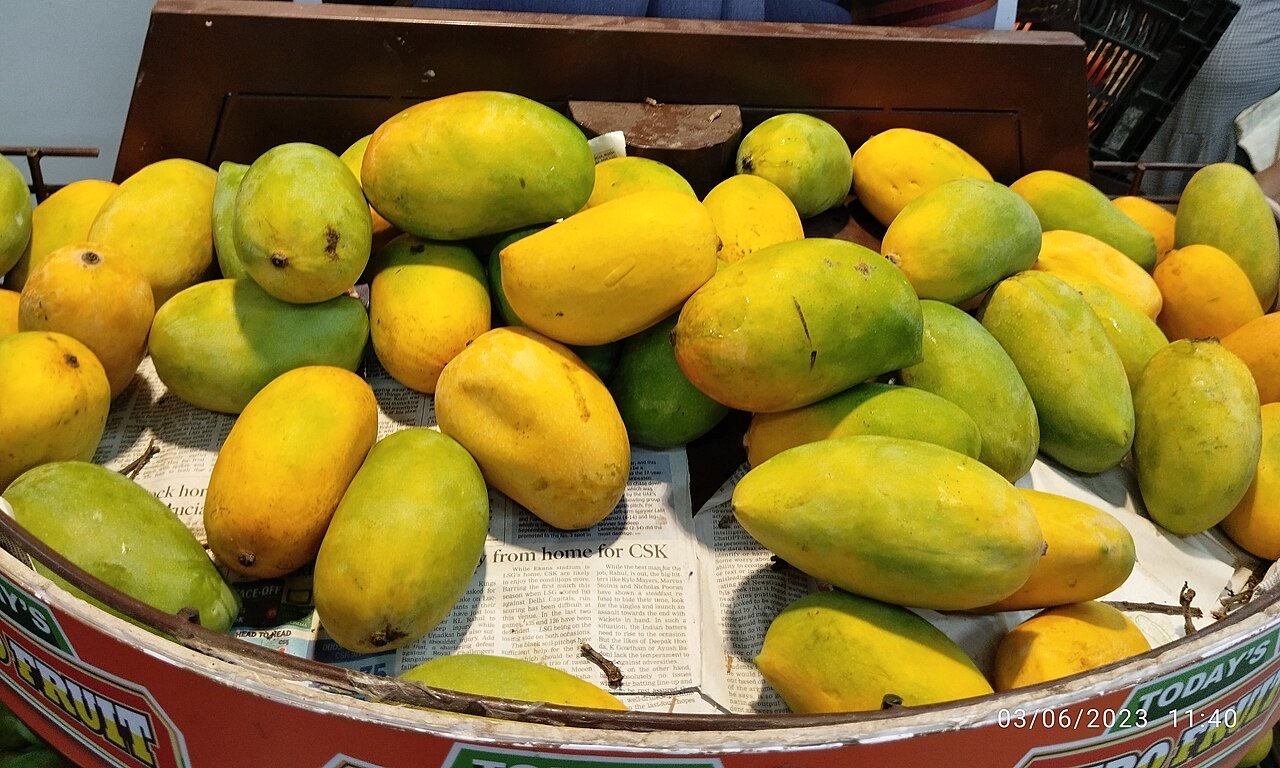
Kesar
Gujarat · peak harvest around MayGir Kesar is the mango to look for when you want deep colour, fragrance and a rounded sweetness. Gujarat’s peak comes early enough to overlap with Alphonso.
Taste it beside: Alphonso. Use the same knife, the same ripeness and no chutney to hide the result.
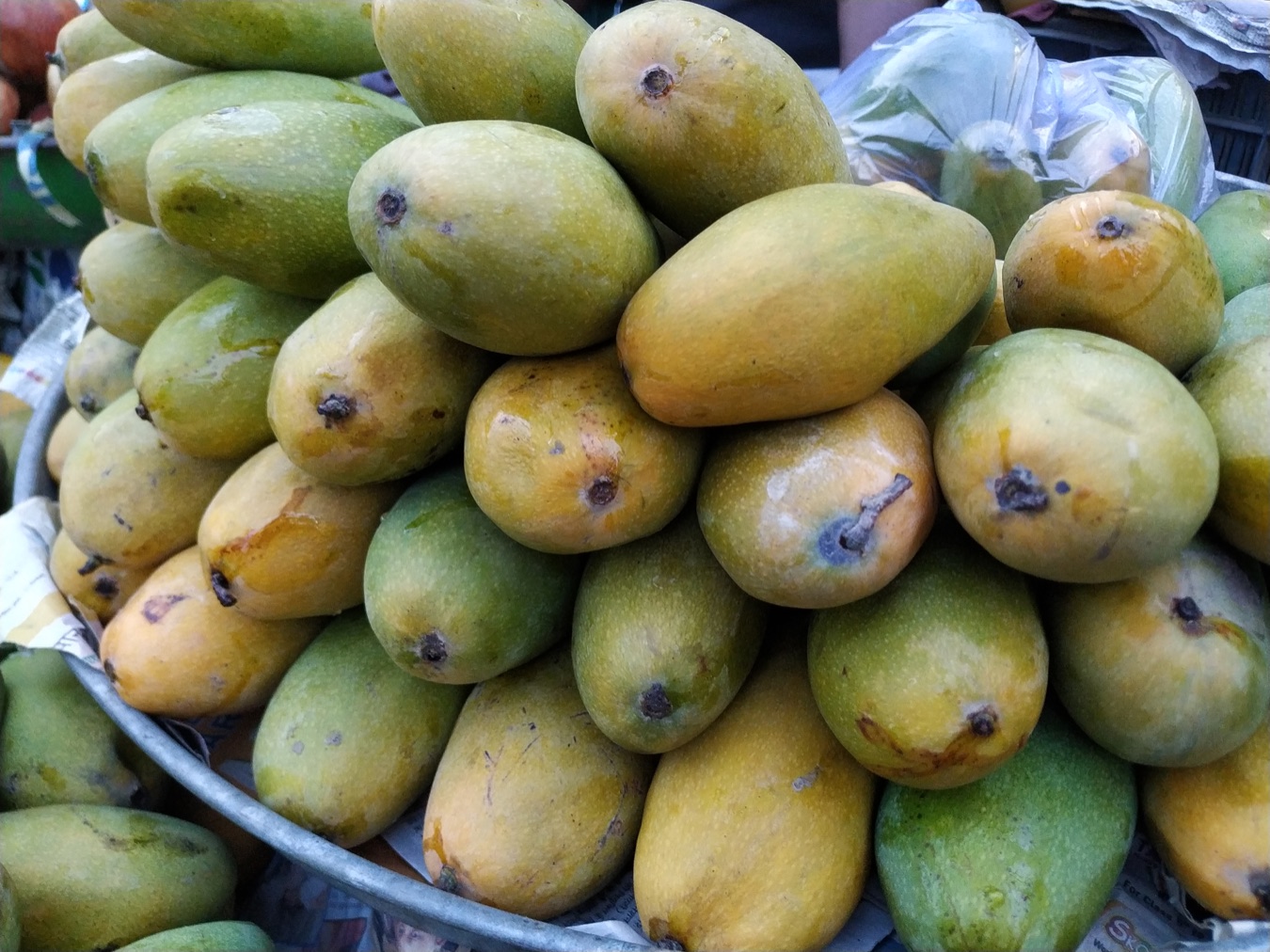
Dasheri
Uttar Pradesh · around JuneDasheri is soft, juicy and unabashedly sweet. The fruit usually arrives after the early southern and western season, which makes June a useful month for comparison.
Taste it beside: Langra. One leans into sweetness; the other brings more tang.
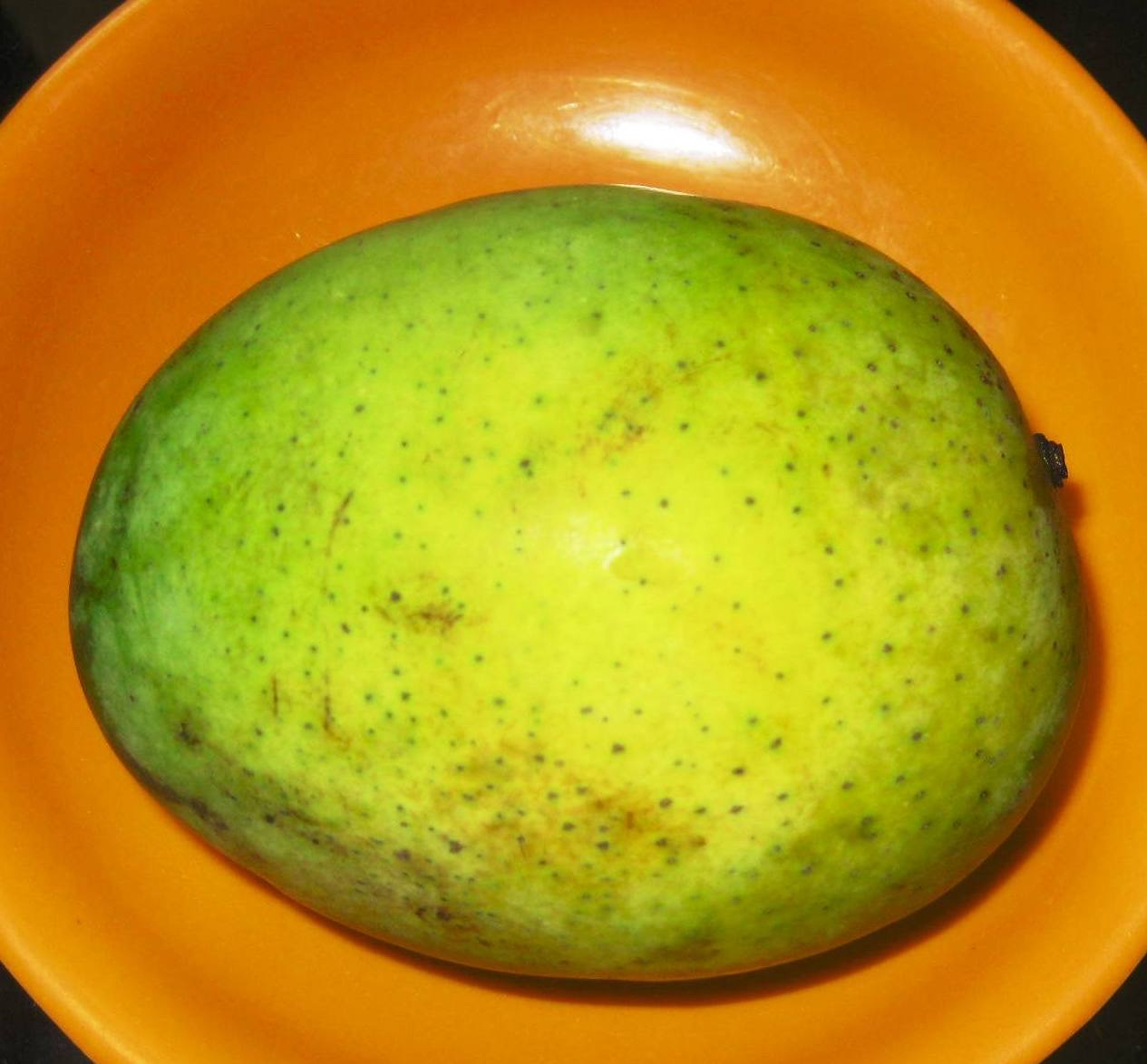
Langra
Uttar Pradesh and Bihar · June and JulyLangra often stays green when ripe, so colour is a poor test. APEDA describes the flesh as fibreless and the flavour as tangy-sweet.
Taste it beside: Dasheri. Smell both before eating; the contrast is clearer when your mouth is not already coated in mango.
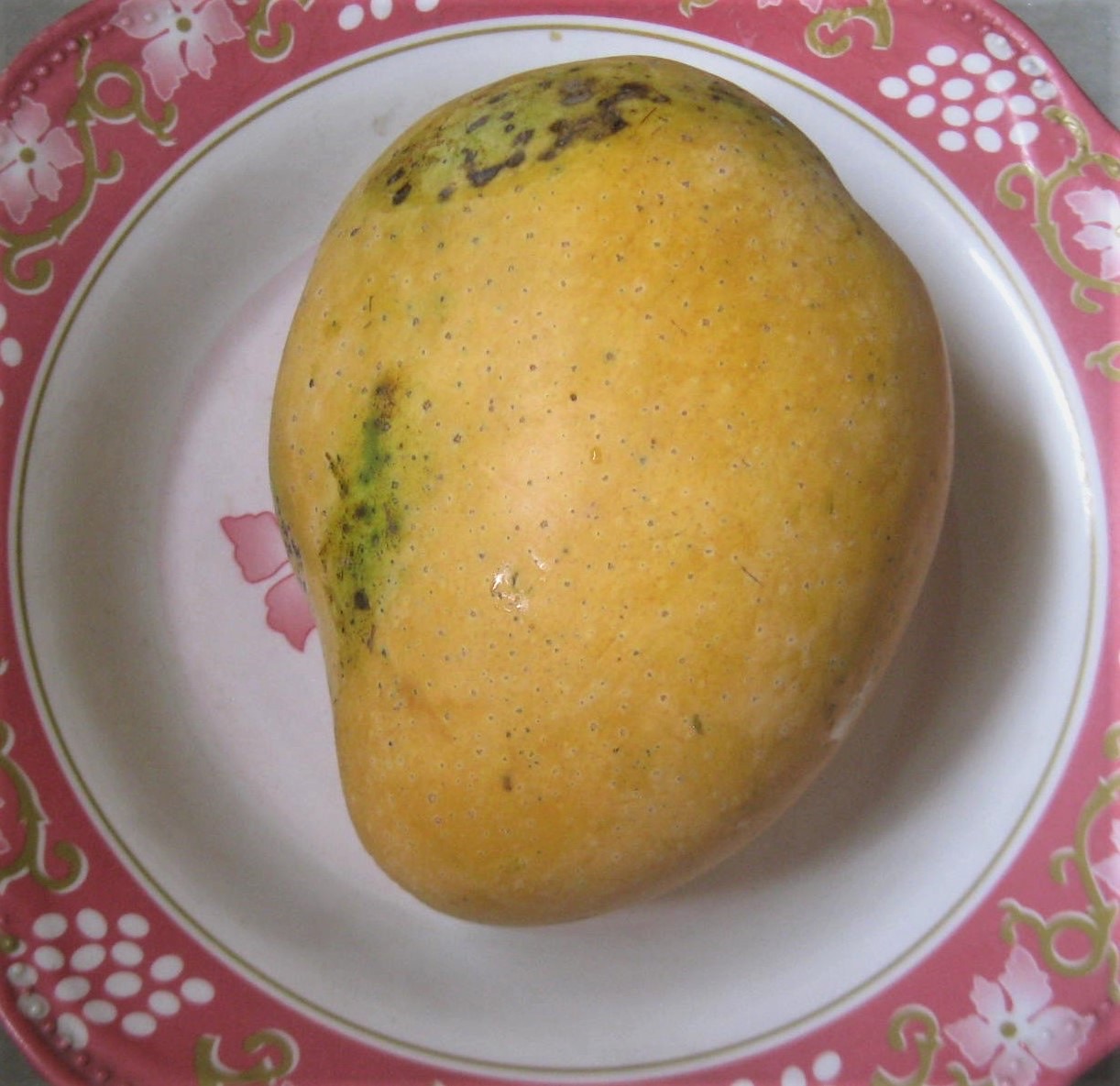
Banganapalle
Andhra Pradesh and Telangana · April and MayBanganapalle gives you an early southern mango with a large golden fruit and a clean slice. It is a useful first stop before the later northern varieties arrive.
Taste it beside: Totapuri. Compare Banganapalle’s gentler sweetness with Totapuri’s sharper edge.
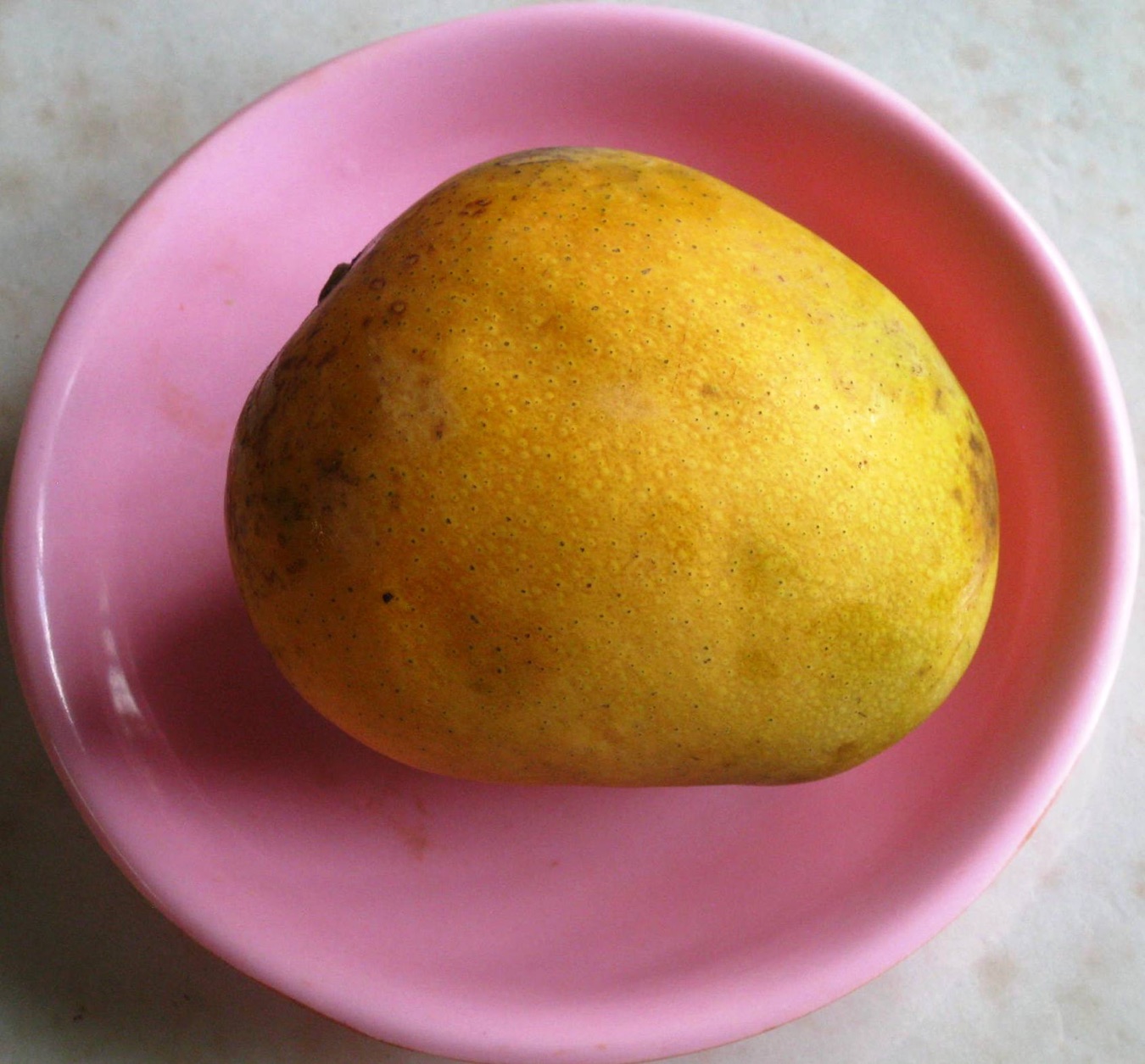
Himsagar
West Bengal and Bihar · late May into JuneHimsagar is associated most closely with West Bengal, where Khirsapati (Himsagar) has a registered geographical indication. Look for dense flesh and very little fibre.
Taste it beside: Alphonso if their short windows overlap. Both can feel lush, but their aroma and finish are different.
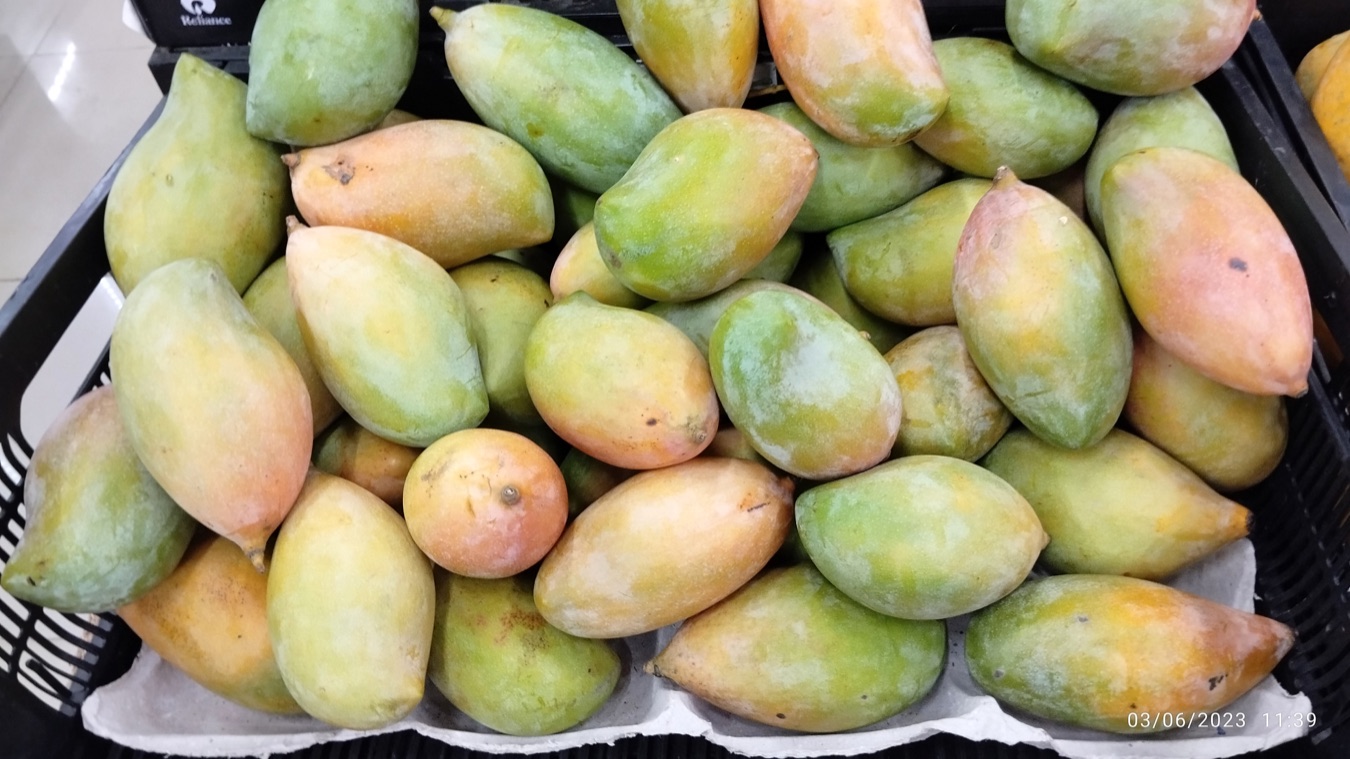
Totapuri
Southern India · April through JuneThe beak-shaped Totapuri brings a tangy-sweet flavour and a useful streak of tartness. It stops a tasting from becoming seven versions of sugar.
Taste it beside: every sweeter mango on the table. Totapuri is the palate reset and the argument starter.
| If you travel | Fruit most likely to lead | Useful gateway | What to remember |
|---|---|---|---|
| April–May | Alphonso, Kesar, Banganapalle, Totapuri | Mumbai, Ahmedabad or Bengaluru | Earlier western and southern crops; ask what was harvested that week. |
| June | Dasheri, Langra, Himsagar, late southern varieties | Delhi, Kolkata or Bengaluru | The widest overlap, but weather and crop timing still vary. |
| July | Langra, Chausa and other northern late-season fruit | Delhi or Chandigarh | Good festival timing; early varieties may already be finished. |
The 45-minute mango detox
Run A Tasting Without Turning It Into Content
You do not need flights, an orchard or an audience. You need three named mangoes, one other person if possible, a knife, paper and enough restraint to leave the first bite unphotographed.
- Buy by variety. Ask an Indian grocer what is ripe now. Bring home as many different varieties as you reasonably can.
- Put every phone in another room. Use a kitchen timer if you need one. Do not make the tasting depend on an app.
- Label the plates with numbers. Keep the names hidden so reputation cannot decide the winner.
- Smell before you eat. Score aroma, acidity, sweetness, texture and the taste that remains after swallowing.
- Argue kindly. Compare notes. Ask which fruit you would buy again with your own money.
- Reveal the names and stop. Photograph the winner afterwards if you want. Do not spend the evening editing a mango reel.
If the tasting becomes a real interest
Plan One Mango Trip, Not A Tour Of The Entire Country
India is too large to chase every variety in one holiday. Choose a region and season, leave room for markets and conversations, and confirm current festival dates before booking.
Mumbai And The Konkan Coast
Fly into Mumbai for Alphonso and Kesar in the city’s fruit markets. If you want to visit Ratnagiri or another producing district, arrange an orchard visit with permission rather than arriving at a working farm.
Choose this route for: early western fruit and the strongest chance of comparing Alphonso with Kesar.
Bengaluru And Krishnagiri
India’s official tourism site lists Bengaluru airport as the nearest major airport for the Krishnagiri Mango Festival in Denkanikottai. The festival is normally held in June and brings southern varieties, growers, food and cultural events together.
Choose this route for: a broad tasting in one place. Check the official festival page.
Chandigarh And Pinjore
Haryana’s Mango Mela at Yadavindra Gardens features Dasheri, Chausa, Langra and many other northern varieties. Chandigarh is the nearest airport and major railway station. The 2026 festival ran from 10–12 July; future dates will change.
Choose this route for: northern late-season fruit. Check the official Mango Mela page.
Before you book
Use The Internet To Arrange The Trip, Then Stop Browsing
Travel requires purposeful technology. Keep a phone for tickets, maps, translation and emergencies; remove the feeds that turn every quiet moment into another session.
- Check entry rules for your passport.Use only the official Government of India e-Visa website. Eligibility and fees vary by nationality.
- Confirm fruit and festival dates.Crops and events move. Contact the hotel, festival or market shortly before travel instead of trusting an old blog post.
- Plan for the actual weather.Check heat and rain for the specific cities. Mango season does not guarantee comfortable sightseeing weather.
- Keep the first day simple.Arrive, rest, find one reputable market and ask one seller what is genuinely ripe.
- Write the useful details on paper.Carry your hotel address, emergency contact, day plan and the names of the mangoes you want to find.
- Use the camera after the experience.Taste first. Talk to the seller. Take one photograph later if the photograph will help you remember.
Sources and limits
Where The Season And Travel Details Come From
Mango timing changes with region and weather. Official sources support the broad windows and festival routes; sellers and growers remain the better source for what is ripe today.
- APEDA: Mango — India’s variety count, producing regions and the earlier south/west versus later north/east pattern.
- APEDA Farmer Connect: mango crop page — commercial varieties by state and peak harvest windows.
- APEDA: Indian mango varieties — Dasheri, Langra and Totapuri taste descriptions. Health claims on that page were not used here.
- APEDA: Gujarat geographical indications and APEDA: West Bengal geographical indications — Gir Kesar and Khirsapati (Himsagar).
- Incredible India: Krishnagiri Mango Festival and Incredible India: Haryana Mango Mela — venues, gateways and festival timing.
- Government of India e-Visa portal — the official application route. Entry rules can change.
Mangoes are one idea
Find 365 More Things To Do Instead Of Looking At A Screen
Choose something small enough to do today or strange enough to make the day memorable. The list is organised by time, energy, company and setting.
Choose another offline idea