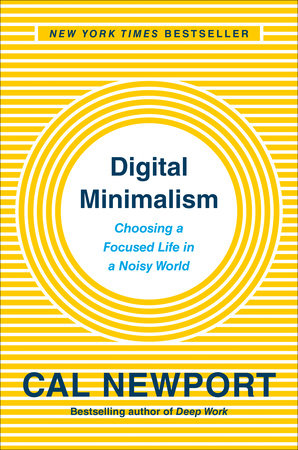
Digital Minimalism
Cal Newport · 2019
The book that defined the genre, and the source of the thirty-day declutter that most practical advice since is descended from.
See the publisher page →Nearly every “best books about screen addiction” page you will find is an affiliate page, where the order is really the commission. This one earns nothing from anything on it, which is why the free book is at the top of its section and why the study that argues against this whole site is in here too.
The links go to the publisher, creator or original source wherever possible. Prices and availability change, so check the linked page before buying or subscribing.
Twelve that matter most, four on the economics underneath, and five published since 2023 that an older list would miss. If you are only going to read one and you want to do something, read Catherine Price.
Cal Newport · 2019
The book that defined the genre, and the source of the thirty-day declutter that most practical advice since is descended from.
See the publisher page →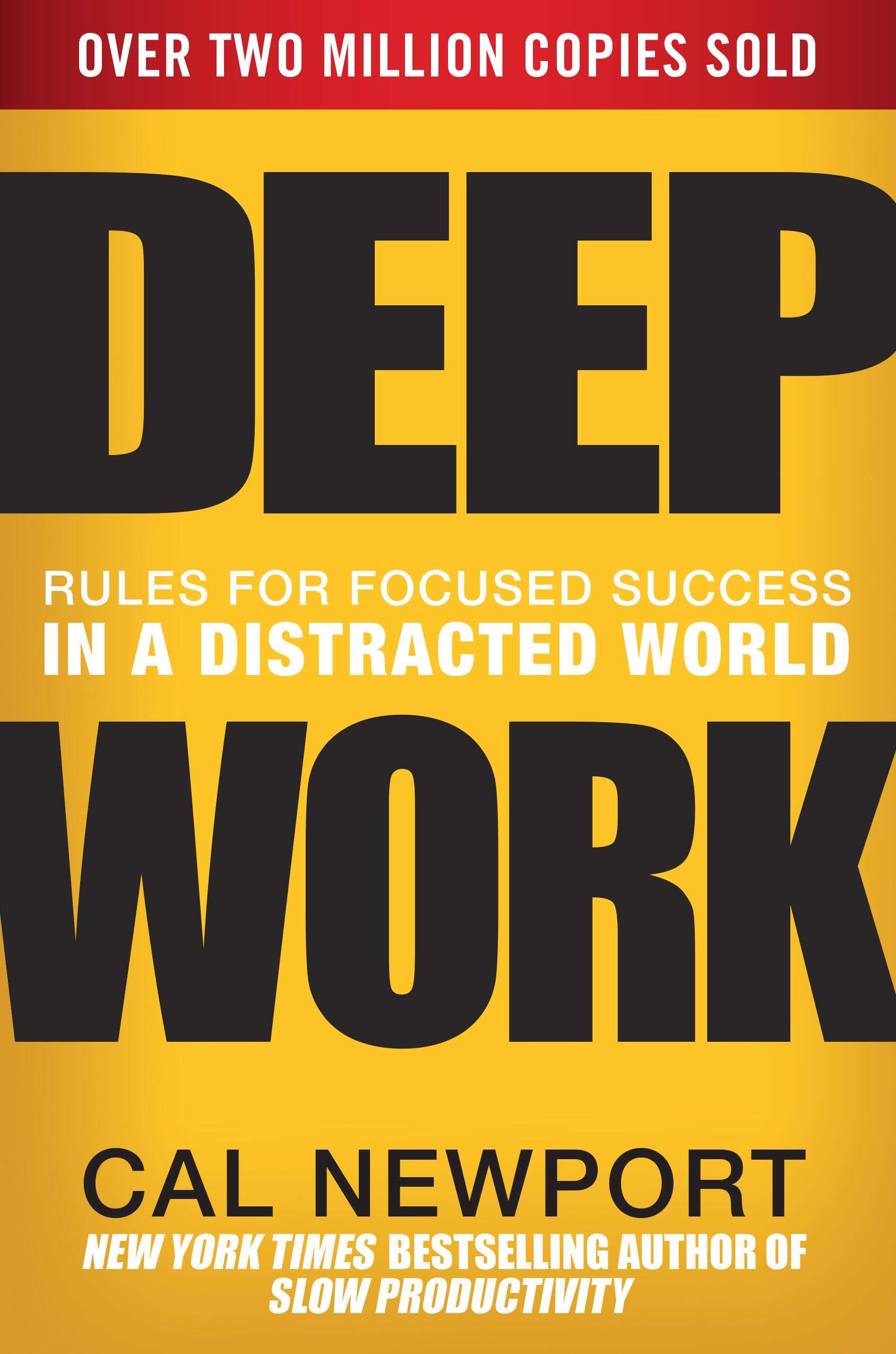
Cal Newport · 2016
The economic argument: undistracted concentration is getting rarer and therefore more valuable. Read it if the motivation you need is professional rather than moral.
See the publisher page →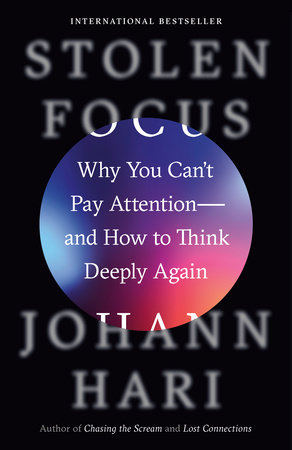
Johann Hari · 2022
The best-reported case that this is structural rather than a personal failure of willpower. Twelve causes, and only some of them are phones.
See the publisher page →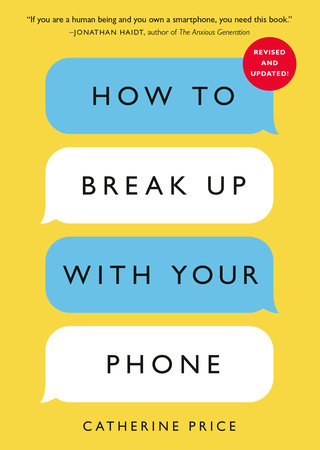
Catherine Price · 2018
The most usable thirty-day plan in print — a workbook disguised as a book. If you only buy one, and you want to actually do something, buy this one.
See the publisher page →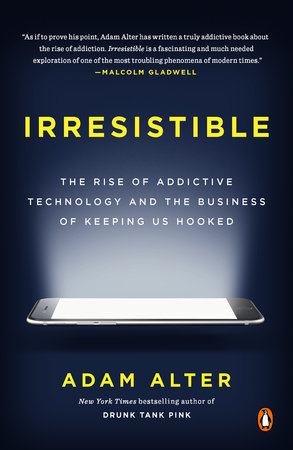
Adam Alter · 2017
Establishes behavioural addiction as a design outcome rather than a character flaw. The idea of the missing stopping cue is still the single most useful thing in the field.
See the publisher page →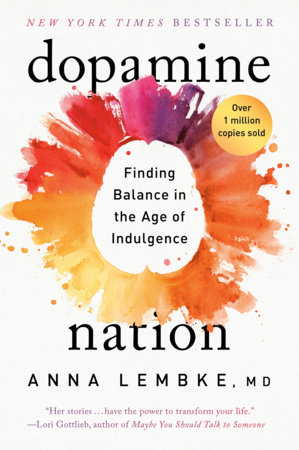
Anna Lembke · 2021
The clinical neuroscience of the pleasure–pain balance, from the head of addiction medicine at Stanford. Explains why one more scroll is physiology.
See the publisher page →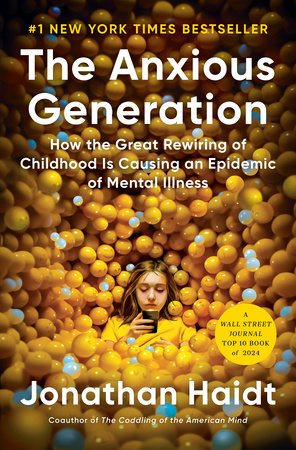
Jonathan Haidt · 2024
The most influential book on phones and children. Whatever you conclude about the causal claim, it set the terms of every argument since — and the argument against it is further down this page.
See the publisher page →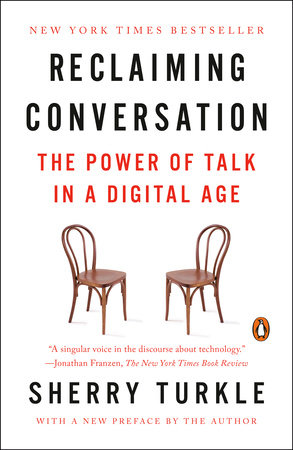
Sherry Turkle · 2015
The cost counted in relationships and empathy rather than in minutes. Her Alone Together (2011) is the prequel.
See the publisher page →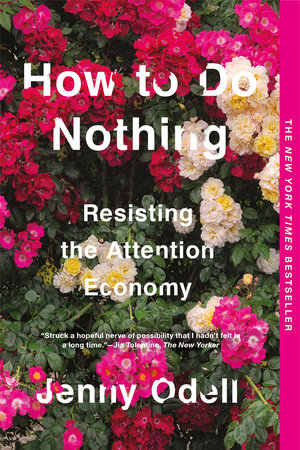
Jenny Odell · 2019
Refuses the productivity framing entirely. Attention as a moral and ecological question rather than something to optimise.
See the publisher page →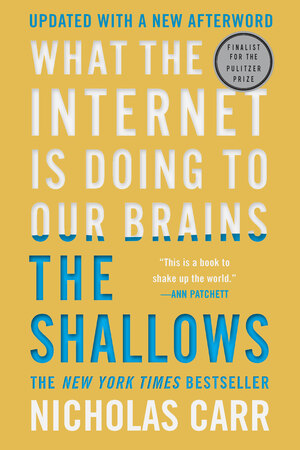
Nicholas Carr · 2010
The origin text. Fifteen years on, the argument about reading and neuroplasticity reads as prescient rather than dated.
See the publisher page →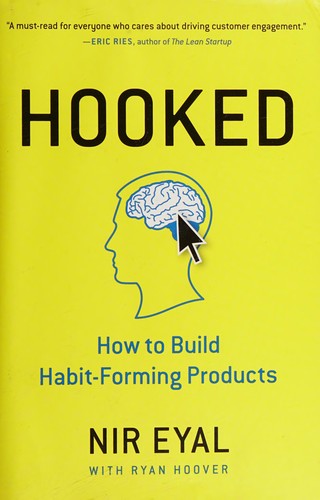
Nir Eyal · 2014
Here because it is the playbook, written for the people building the products. Read it to see the machinery from the inside. His Indistractable (2019) is the same author arguing that your agency survives it.
See the publisher page →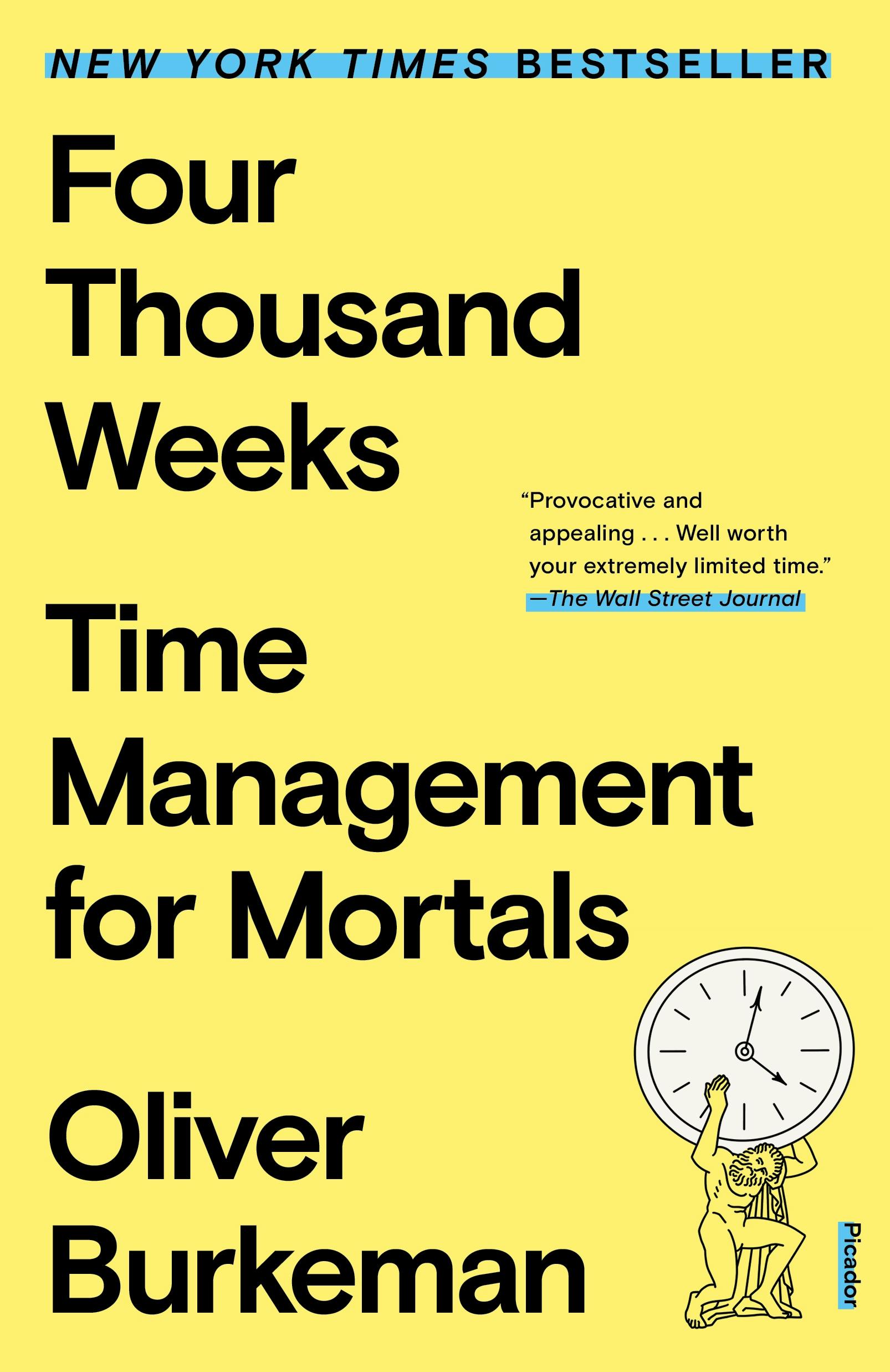
Oliver Burkeman · 2021
The deepest answer to “why can’t I just stop”: distraction as avoidance of the fact that life is finite.
See the publisher page →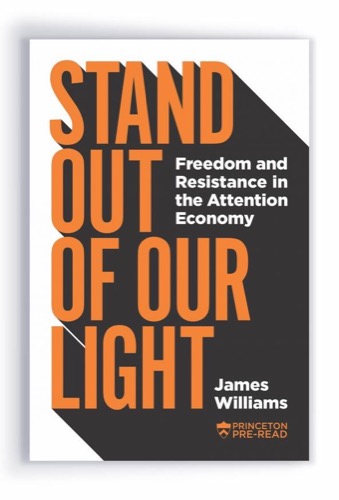
James Williams · 2018
Written by an ex-Google advertising strategist who became an Oxford philosopher, and free and legally open access. The best free thing on this entire page.
See the publisher page →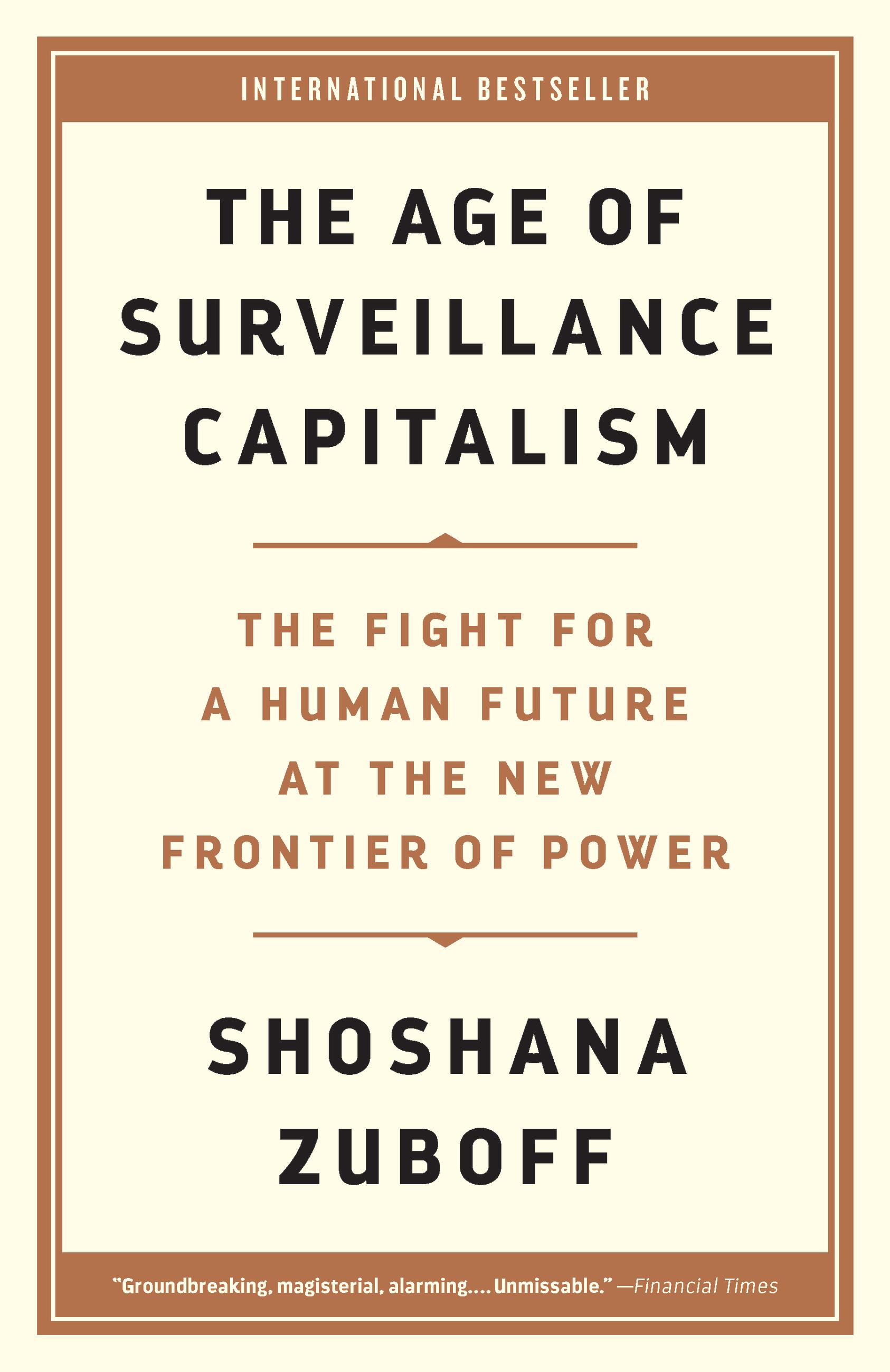
Shoshana Zuboff · 2019
The economics underneath everything else — behavioural surplus, prediction products, and what it means that your future behaviour is the commodity.
See the publisher page →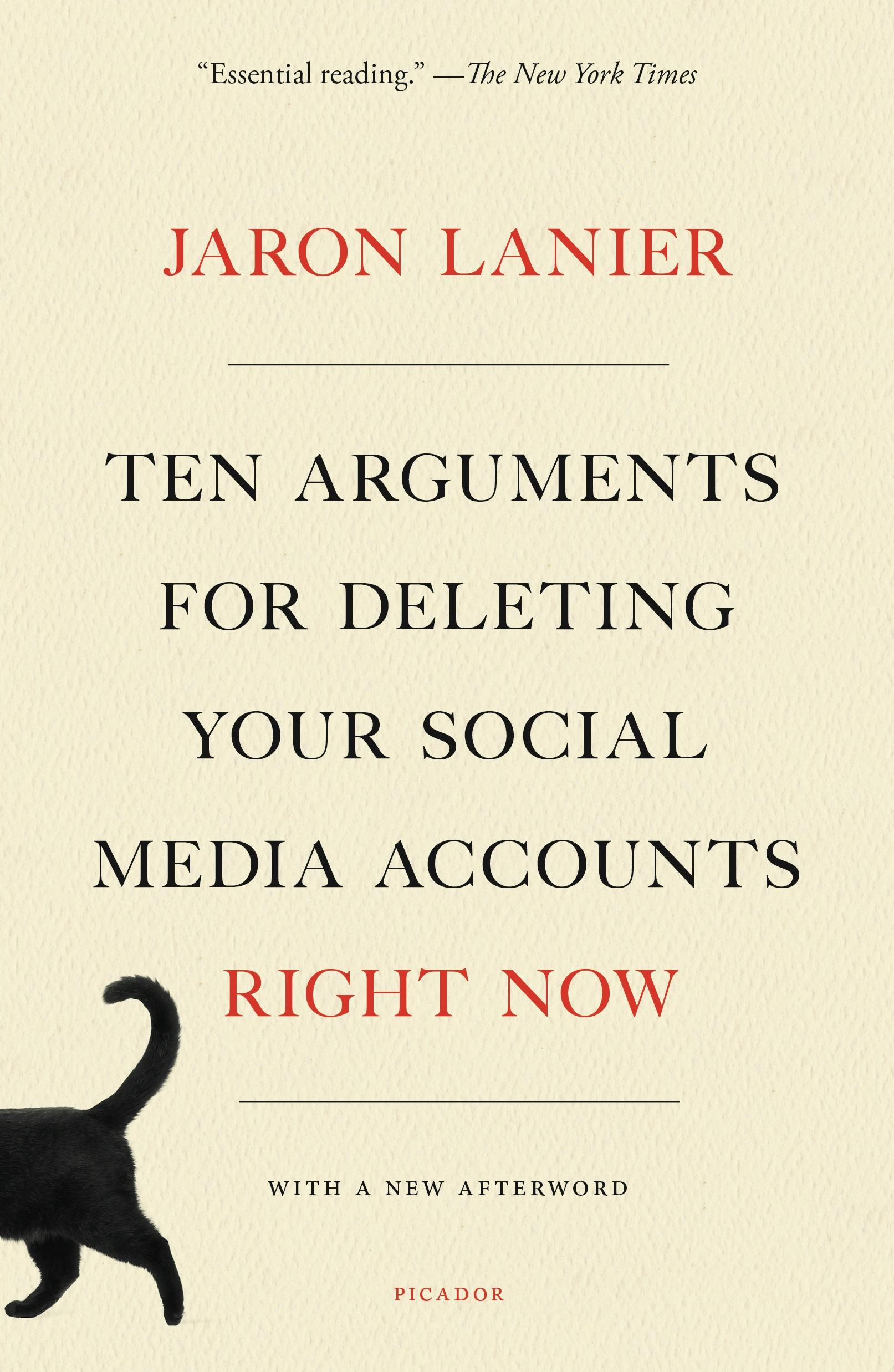
Jaron Lanier · 2018
Short, furious and quotable. The right thing to hand somebody who will not read four hundred pages.
See the publisher page →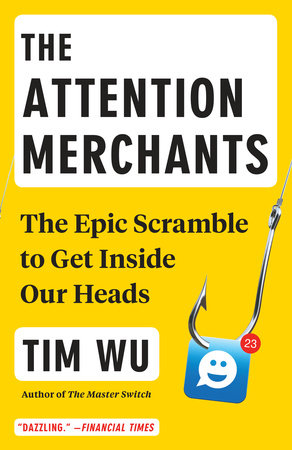
Tim Wu · 2016
Puts the whole thing in a hundred and fifty years of context, from the penny press onwards. Useful for realising this is not new, only faster.
See the publisher page →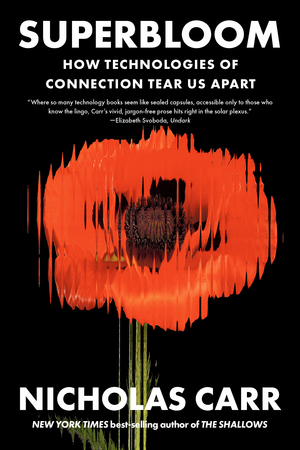
Nicholas Carr · 2025
Carr’s most important argument since The Shallows: more connection is not more understanding.
See the publisher page →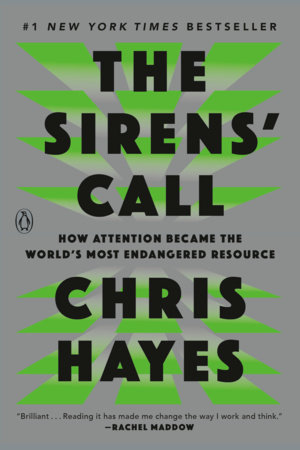
Chris Hayes · 2025
Attention as a commons being enclosed, and what that does to a democracy. The best political framing available.
See the publisher page →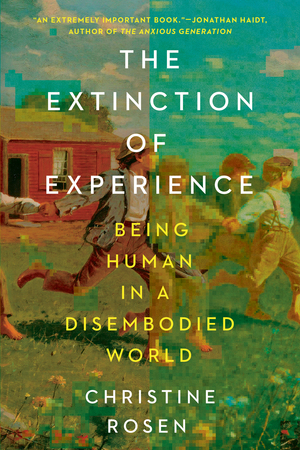
Christine Rosen · 2024
What is lost is embodied experience — waiting, boredom, faces, hands — not just focus.
See the publisher page →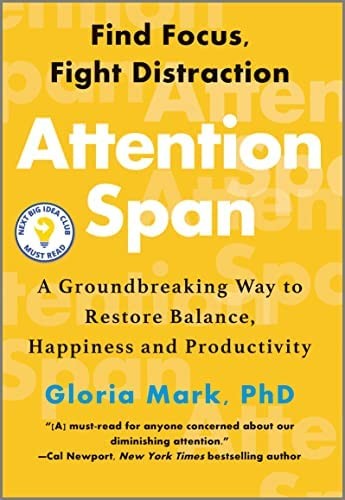
Gloria Mark · 2023
The actual measurement science, from decades of logging what people really do. This is where the numbers everyone quotes come from.
See the publisher page →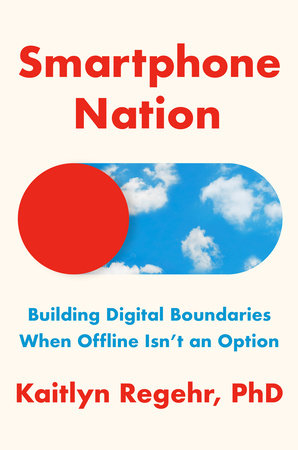
Kaitlyn Regehr · 2025
The most current and most family-practical book, from the UCL researcher behind the schools work on algorithmic harm.
See the publisher page →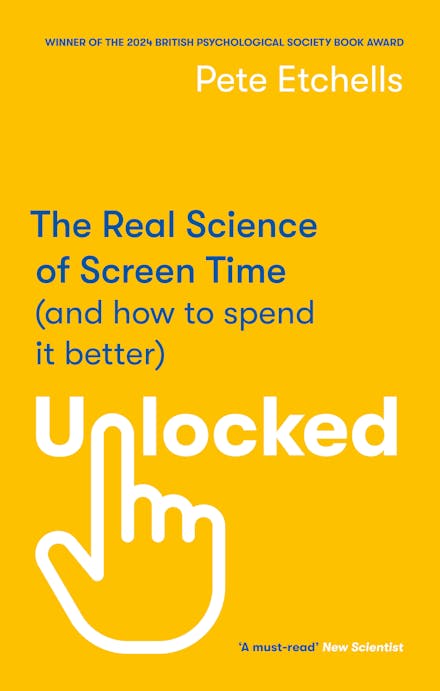
Pete Etchells · 2024
A psychologist’s careful case that the evidence for screen-time harm is much weaker than the headlines suggest. It is on this page deliberately. A site that only recommends the books agreeing with it is a sales pitch, and you should read the strongest version of the other argument before you decide what you think.
See the publisher page →The longer reading list, grouped by what you need
2020 · Netflix
Still the most effective way in: the designers themselves, on camera, describing what they built and why they will not let their own children use it.
2025 · Rent, or Bloomberg platforms
Follows the Social Media Victims Law Center. The hardest-edged film on harm to young people, and it won the 2026 duPont–Columbia Award.
2024 · Free on Channel 4 in the UK; also Netflix
A real three-week ban in a real UK school, filmed. The best “what actually happens” film if you are a parent or a governor.
2016 onwards · Screening licence
The community-screening standard, now a series including a mental health edition and an elementary-age edition.
2020 · Free online
Free to watch, aimed squarely at parents, and the standard film for a parents’ evening in the US.
2013 · PBS POV
Inside a Chinese internet-addiction boot camp. The most unsettling film in the genre and a corrective to the comfortable Western framing.
The films on this site, in one gallery · Michael's videos and the selected films and talks
All on TED, all free, all linked to TED rather than to a copy of it.
Are smartphones ruining childhood? — Jonathan Haidt · 2024
How a handful of tech companies control billions of minds every day — Tristan Harris · 2017
Connected, but alone? — Sherry Turkle · 2012
Why our screens make us less happy — Adam Alter · 2017
We’re building a dystopia just to make people click on ads — Zeynep Tufekci · 2017
How boredom can lead to your most brilliant ideas — Manoush Zomorodi · 2017
The art of stillness — Pico Iyer · 2014
Why having fun is the secret to a healthier life — Catherine Price
How we need to remake the internet — Jaron Lanier · 2018
This is what a digital coup looks like — Carole Cadwalladr · 2025
TED also keeps a ready-made playlist: TED’s guide to your digital detox, eleven talks.
Center for Humane Technology
The field’s flagship, from Tristan Harris and Aza Raskin. Since 2025 it has leaned towards AI; the attention and child-safety back catalogue is where the value is.
Cal Newport
The most practically useful ongoing show on deep work and digital minimalism. Listener questions, answered at length.
Crooked Media
The only mainstream weekly show built entirely around this subject.
Children and Screens
Researcher interviews with no hype and no product placement. This is the one to cite.
Shankar Vedantam
Adjacent rather than dedicated, but the episodes on attention and habit are the best-produced audio anywhere on the subject.
The Ezra Klein Show, with Johann Hari, 2022
The single best hour on why this is structural.
The Ezra Klein Show, with Jonathan Haidt, April 2025
Haidt interrogated rather than amplified. Listen to this before deciding what you think.
Huberman Lab, episode 39
The neurochemistry in one place, explained without mysticism.
More podcasts, with what each one is for
If you are a parent at a governors’ meeting, or a journalist on deadline, these are the six with the clearest findings and the sturdiest methods. Both sides are here. Each links to the paper, not to somebody writing about the paper.
Ward, Duke, Gneezy & Bos, Journal of the Association for Consumer Research, 2017 · read the paper
Working memory and fluid intelligence measurably worse when the phone is merely present and face down — even switched off. The most useful single finding for changing what you actually do.
Xiao et al., JAMA, June 2025 · read the paper
Following a large cohort of US young people, addictive patterns of use predicted suicidality — and total screen time did not. This is the finding that reframes the whole debate away from counting hours.
Orben & Przybylski, Nature Human Behaviour, 2019 · read the paper
Across large datasets, technology use explains at most about 0.4% of the variation — comparable to eating potatoes. The essential counterweight, and it belongs on this page as much as anything else does.
Braghieri, Levy & Makarin, American Economic Review, 2022 · read the paper
The staggered rollout across US colleges works as a natural experiment, which makes this the strongest causal evidence that exists.
Goodyear et al., Lancet Regional Health – Europe, 2025; and Abrahamsson, NHH, 2024 · read the paper
Thirty English schools showed no wellbeing benefit from restrictive policies. Norwegian administrative data found improved outcomes and better attainment for girls. Both are here because a page that only cites one of them is not worth citing.
White et al., Scientific Reports, 2019 · read the paper
Nearly twenty thousand people. Below 120 minutes a week, no measurable benefit; at or above it, consistently better wellbeing — and it did not matter whether it came in one go or in pieces.
What the research actually shows, in full · the numbers, with sources
Everything in this section is free unless it says otherwise, and none of it requires a referral or a diagnosis.
Daily online and phone meetings worldwide, in several languages, plus in-person groups. No referral, no registration, no cost. Turn up and you can say nothing at all.
The fellowship specifically for media addiction — scrolling, streaming, news, the lot. Meetings run every day.
For compulsive gaming. Online and phone meetings plus local groups; the only requirement for membership is wanting to stop.
A registered charity that started as a WhatsApp group in 2024 and now has around 350,000 members with movements in 42 countries. Sign the pact, then find the other parents at your own school.
A US pledge that only activates once ten families in the same grade have signed, so no child ends up being the only one.
Parent-led, with a policy toolkit for anyone who wants to raise it at a school board or governors’ meeting.
Phone-free café evenings, dinners and retreats in sixteen cities across ten countries. The most successful social answer anyone has built.
The think tank the whole conversation came out of. Free guides, a youth toolkit and the podcast.
The full help directory, including the clinical options
Both of these have their own page, because they are the half of the problem that a reading list cannot solve.
Meditation — how to start in ten minutes, and every genuinely free resource, including the complete eight-week MBSR course that hospitals use, available in full for nothing.
What to do instead — eight things that fill the evening, and the nature research that is properly evidenced.
This page will always be incomplete. If there is something that belongs here — a study, a film, a group, a tool — tell me and I will look at it. The only rule is that I have to be able to check it against its own source, and nobody pays to be on this page.