I have a confession to make. For the past five days, I have spent nearly 15 hours a day glued to a screen.
I am a digital detox advocate. I am rebuilding a website dedicated to helping people spend less time on their phones. And yet, for almost an entire week, I have been doing exactly the opposite.
I have been sitting at my computer, talking to AI, fixing things, moving things around, changing settings, solving problems and rebuilding my websites.
So how did I get here?
Eight years ago, nobody thought this was a problem
I started Digital Detox about eight years ago. At the time, deliberately taking time away from phones and the internet seemed bizarre to a lot of people.
The internet was supposed to make life better. Smartphones were supposed to make everything easier. When I talked about the dangers of spending too much time online, people told me I was exaggerating, excessive or extreme.
Honestly, I felt so far ahead of the curve that almost nobody was listening. Eventually I stopped putting much energy into the website. I had barely touched it in years because it felt as though nobody cared.
Eight years later, the response is completely different. People no longer tell me I am exaggerating. They say, “Isn’t everyone addicted nowadays? What are you going to do?”
Somehow, that is even more heartbreaking. It is almost as though we have collectively given up.
Our work, businesses, banking, relationships, entertainment and communication are online. For many people, getting away from technology no longer feels like a choice.
Then I got hacked
My old WordPress websites had become a security headache. Recently, three of my websites and related accounts were compromised.
Someone got into my Facebook account and attempted to launch a $20,000 advertising campaign. Fortunately, it did not go through. Then my AI account was compromised and somebody spent about $400 before I realized what was happening. Then my hosting account was compromised and one of my websites was damaged.
At that point, I decided to stop patching the old setup and rebuild the websites from the ground up.
That is when the great irony began.
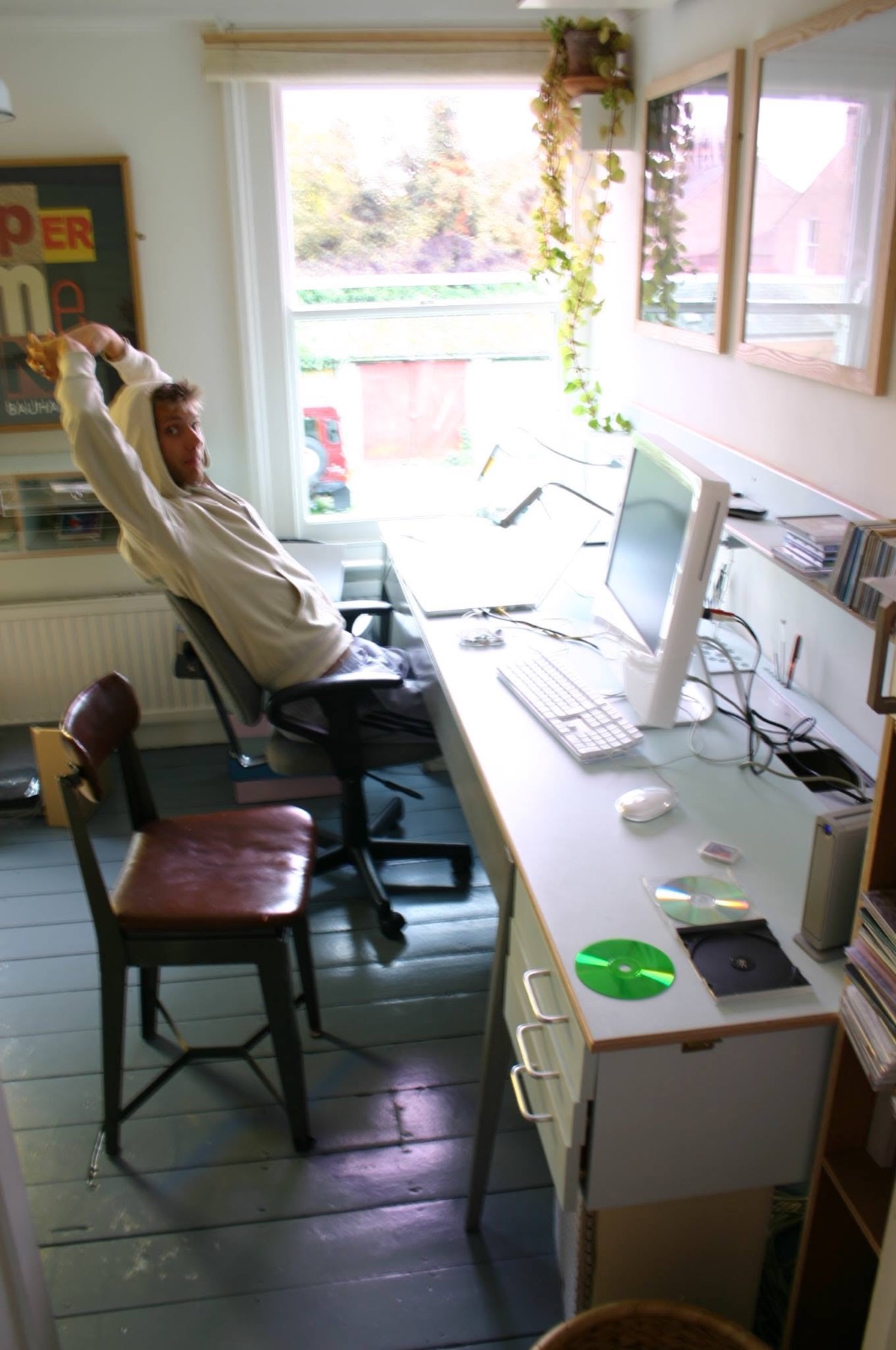
The digital detox guy gets addicted to AI
For almost a week, I have been spending around 15 hours a day working with AI. I am talking to it constantly.
The results have been astonishing. AI can build a website, troubleshoot technical problems and handle jobs that previously would have required a developer. If I gave it enough access, it could manage enormous parts of the process for me.
That is both exciting and unsettling, because the question quickly becomes: how much control are we willing to give these systems?
We are becoming AI minders
AI can increasingly do the repetitive work. Our value becomes knowing what should be done: having taste, knowing what good looks like, choosing the direction, giving better instructions and correcting the system when it goes wrong.
We are becoming less like traditional workers and more like AI minders, directors and editors.
That is powerful. But there is a catch. You can become so fascinated by the power of the tool that you forget to step away from it.
I have not been living up to my own standards
I have barely taken breaks this week. I have meditated briefly at the Buddhist stupa. I have gone out to buy food. I have taken a few naps. But for the most part, I have been on a screen.
I felt pressure to deal with the security problem before something worse happened. I wanted to rebuild everything so I could get back to my normal life. And I knew that when I stopped prompting the AI, the work stopped too.
So I pushed and pushed.
I think that is worth saying plainly: I do not always live up to my own standards.
Digital minimalism is not a purity test
Sometimes there is an emergency. Sometimes something breaks. Sometimes you work intensely for a few days because a real problem needs to be solved.
Digital detox and digital minimalism should not become another impossible standard that makes us feel guilty whenever we spend too much time online.
The job is to notice when technology is serving us and when we are serving it. We need to see when we are choosing to be online and when we have simply stopped choosing.
Once this project is finished, I am going to take a proper break. I am going to step away from the screens, get outside and return to the parts of life that make me feel alive.
Our lives are too valuable to spend them entirely inside technology.
If you are struggling with your phone, computer, AI or the internet, do not turn digital minimalism into another reason to attack yourself. Notice what happened. Make the next honest change. Then come back to your body, nature, the people you love and your actual life.
That is the part no technology can replace.
Love and blessings.

Other experiments that did not go to plan
This is not my first misadventure. These are the experiments that taught me more by going wrong than a perfect success story would have.



Present day
Three Mondays, One Internet
Monday v1
The internet and phone are locked in the box and have been for two days. It opens in about three hours.
I wake up and feel genuinely happy and grateful to be alive. After a deep meditation and two days offline, I feel rested. My brain is working. My eyes do not hurt.
I freshen up, make tea, and enjoy an hour of deep meditation that expands my awareness of the great game. I am alive. It is a cosmic drama and I am only here for a brief time. So enjoy it while you can.
Getting up slowly — my knees hurt a little — I shake them out, put on some music, and have a little dance around the house. Lift weights. Do my Five Tibetans. Brew more tea, caffeine this time.
I open the tea cabinet. Rows and rows of glass jars, the finest organic teas from around the world. I go for my favourite: vanilla bean chai. The 80/20 rule cannot be broken easily.
Sitting down, I pick up my journal and genuinely ask for guidance. How may I be of service to God and others? I write down whatever inspirations arise. Am I on track? Could I make any adjustments to be more aligned with the highest good for all?
I look over my plans and visions for the year. Because I am offline and not in a trance, I can actually think big picture and imagine the future. I read my notes, my visions, and take a few minutes to assume the feeling of the wish fulfilled.
I feel great. Thank you, thank you, thank you.
I spend the morning working on the most important projects. I can focus for one to two hours. I am in the zone, in the flow. The flow state is easy — and that is where I want to live from my whole life.
I pause for breakfast and go outside into the sun. More ideas come. I go back inside.
At around 11am I hear the box unlock and feel a slight anxiety. Or excitement. It is subtle, and I know that feeling. It is okay. I resist the urge to check it, finishing up what I am doing first.
When I am ready and settled, I go to the window, take the lid off the box, and plug in the internet.
After a moment of contemplating why I am using it and what I want to get out of it, I use AI to clean up a few ideas. I put the timer on to make sure it does not get out of hand. I check email — not much there. WhatsApp — okay, nice. I get back to people in the order I feel inspired to. It is fun. I am grounded.
It takes less time than I think.
I feel a slight pull to check some random news sites and recheck my messages. I notice it. That is the key. And I decide it is probably time to unplug again.
I put the phone back in the box, but do not lock it. I may need it again.
Well done. Victory.
Everything truly essential has been taken care of. After a small lunch I go for a walk in the mountains, then to the stupa for meditation. In the afternoon I take client calls on the landline. By 6pm I unlock the box and decide what to do with the evening.
I feel clear and relaxed.
Monday v2
Present day… sometimes.
I wake up a little tired with a slight headache and hit snooze a few times. I went to bed later than expected — I was working on a project and did not turn off the internet because I felt I needed to check things.
My mind is full of ideas. I want to finish what I started.
I sit for meditation later than expected and feel slightly torn between the meditation and my work. I make tea but skip the exercise, the journaling, the vision. Connecting with God. Because I want to get this thing done.
As soon as the box unlocks, I go and get my phone and plug in the internet.
I am at the level of effect.
I use AI too much. My eyes hurt. The loonie loop has got me.
At around 11am I stop and go out into the sun to recalibrate. I lie there and let go, feeling the hooks slowly recede. My skin heals a little. My mind comes back.
I breathe deeply and notice my feet, my breath. I create my own thoughts.
I am a powerful soul.
The pull is still there — to finish, to check — but it is a little less. I take a short nap and consciously let go.
I wake up, unplug the internet, and have lunch.
I am back in the game.
Monday v3
Less often…
I wake up for a moment and feel distinctly annoyed and personally insulted that the alarm clock has gone off, shutting it down immediately.
When I awaken it is already light.
The rest of the day is, quite frankly, a shit show.
More recently than I would like to admit
Ted Lasso and the Silent House
I am coming home early, having not really — honestly — enjoyed my walk.
I turn onto my street, over the cattle grate. Around the speed bump.
The walk was magical, but subdued by my latest occasional obsession that seems to burn brightest sometime on Tuesday evening, and then fades away again by Wednesday.
It comes in the form of Ted Lasso.
I clicked on it once.
And now I am rushing back because I want what I want and pretend I do not.
I know it is sad. I even say it to myself in the car. Michael, how sad is this?
Really?
As usual, I do not necessarily enjoy the actual show itself. It is good. Objectively, it is a solid production.
But really, in my heart of hearts, I do not care.
And I know I do not.
And it makes no difference at all.
I turn on my VPN for Japan so I can watch it earlier than everyone else.
I just want to get this out of the way so I can focus.
I am not used to living alone.
When she was here, we had each other as company. Even if we were in different rooms, it still made a difference, a living being to share with. But in the end it did not feel that way, and I am glad it is over.
But still, I cannot pretend that coming home to a silent house, when the sun sets, and I am sitting alone, is something I have really accepted.
Or — if I am honest — even fully experienced.
Which is why Ted is here.
I do not admit that to myself. I do not fully know it. Maybe a bit.
But the part that sort of knows is pushed to the back.
And right now, I sit down. Alone.
And press play.
These personal excerpts are from Entranced.
Choose one experiment you can finish
Do not copy my 15-hour workdays or turn your next change into a grand performance. Write down one boundary, what must remain available and when you will review what happened.
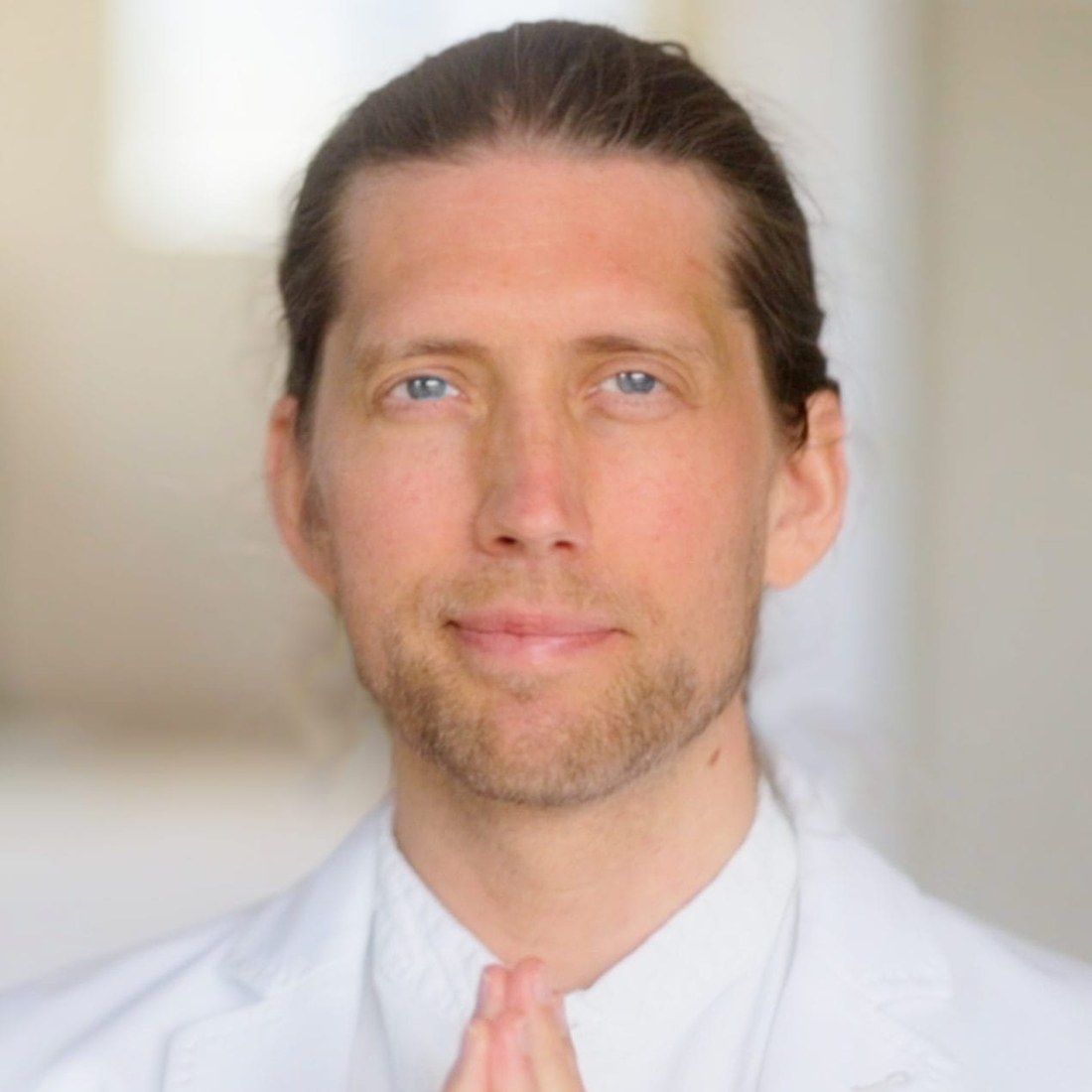
Michael has spent much of his working life online—and much of the rest of it trying to stop that technology taking over. He has thrown a phone into a lake, locked devices in boxes and experimented with long periods offline. He writes about what helped, what failed and how to keep the useful parts of digital life.