The Future Didn't Quite Work Out As Planned…
In September 1962, the animation studio Hanna-Barbera aired a new cartoon series called The Jetsons. The Jetson family live in a futuristic Utopia powered by robotic contraptions and fanciful inventions.
In the Jetson world, people no longer live on the ground, but rather in high-tech houses in the sky equipped with all manner of comforts and techie devices.
They work only three days a week and travel about in flying cars.
The Wonderful Promise Of The Future: A Life Of Ease And Grace
Through the Jetsons and countless other TV shows and adverts, we were sold this idea that as technology improved, it was going to make us happier, healthier and leave us with plenty of time to enjoy life more.
We were told that technology, in all its glory, was our new Lord and savior. It would liberate us from suffering and provide for our every need. Freed from the shackles of hard work by robots and software, we would now enjoy plenty of time to embrace the joys of living, of self-expression, self-actualization and fun.
Like millions of others, I believed this idea. More tech = more freedom.
The future was meant to simplify things, make us happier, and give us more time and freedom to enjoy life. But has it?
Back To The Real Future
When I was 10 years old, I went to see the highly anticipated sequel Back to the Future II at the cinema. It was 1989, and the future shown in the movie looked incredible: flying cars, hoverboards, self-drying clothes, 3D graphics that jumped out at people on the streets, and mini pizzas that became full size and ready to eat in seconds. What a fun and magical place!
This was the envisioned world of Oct. 21, 2015 — and I, like many others, believed it was possible.
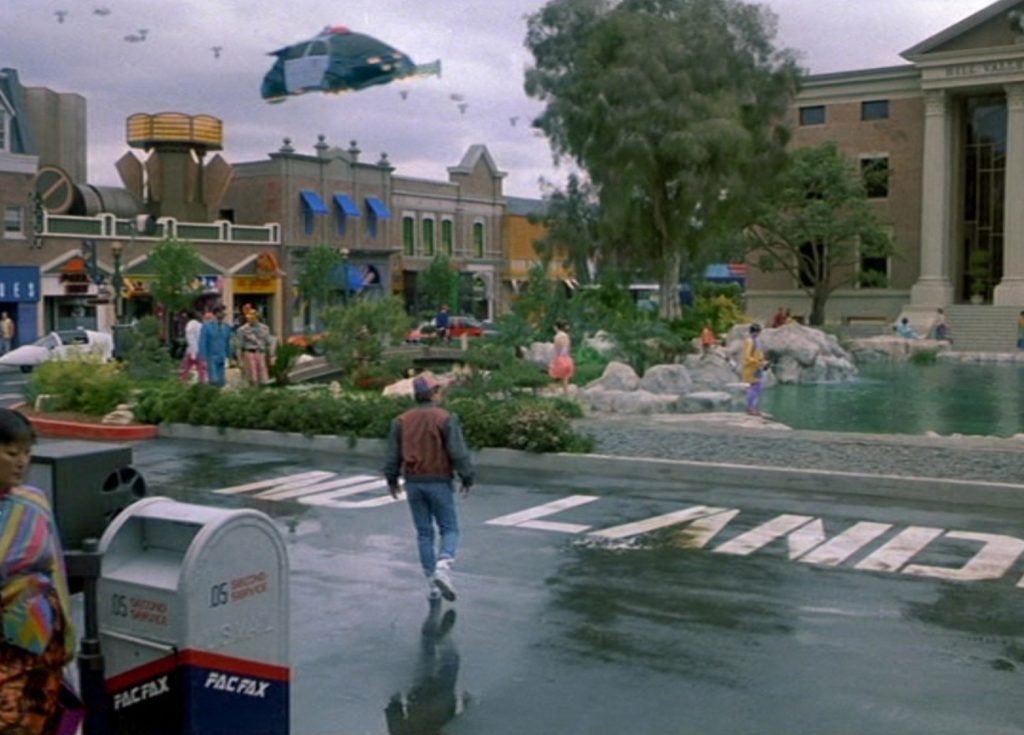
Now Imagine Yourself As A Child Traveling Through Time Into The Real Future
What actually happened? In my case, on Oct. 21, 2015, my future self wasn't flying around in a flying car or playing on a hoverboard (as my 10-year-old self had expected). Instead, like millions of others, future Michael was hunched over a laptop feeding a mild online shopping addiction on amazon.com, browsing the Internet, checking Facebook and fiddling about with his phone.
The future, it turned out, was quite a letdown.
They Were (Almost) All Wrong About The Real Future
In my real world there were no mass-produced flying cars, no hoverboards, no self-drying jackets. But the absence of flying cars was the least concerning discrepancy between the imagined future and the real one.
The biggest blunder of Back to the Future II and similar movies was that no one predicted the rise of cellphones and social media. The movie makers failed to predict a world where millions of people, instead of "driving" around in the sky, were looking down at a little screen in their hands, utterly unaware of the world around them — smombies, as they have now been called: smartphone zombies.
Even those inside the industry were clueless. A retired executive of a large computer company that produced hardware for companies like Apple told me: "For many years, I used to meet with other executives to imagine the future of our industry… We thought we had it all figured out. But frankly, we got it all totally wrong. None of us saw cellphones, the Internet and iPads coming. It goes to show what a genius Steve Jobs was. He saw what none of us could ever imagine."
In The Real Future We Got Smartphones Instead Of Flying Cars
The real innovations existed not in physical space, but in cyberspace. The future was not in the physical world, but inside the devices that billions of people carry around, attached to their bodies like a second self.
Instead of futuristic pleasures, we became a society of escapists investing approximately 4–5 hours a day of our waking time absorbed in a virtual world.
To put this into perspective, that's nearly four months per year, lost in a screen. Over 10 years, that's 3.2 years of your life in virtual reality — and that's being conservative.
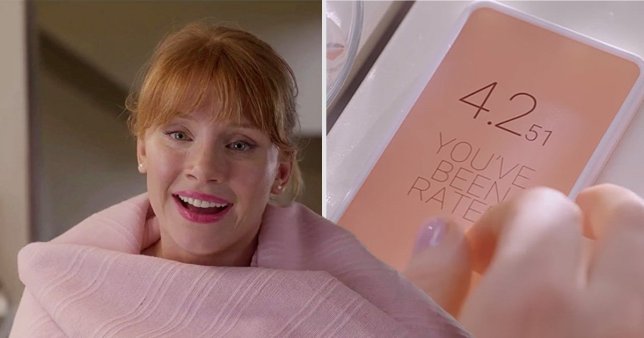
Black Mirror, "NoseDive" — a social ranking system
Psychologist Oliver James wrote in Britain On the Couch that despite being richer, with endless on-demand entertainment, people are on average 8x more depressed, stressed and anxious than in the 1950s. Despite being more connected than ever, we are, on average, far unhappier, lonelier and more dissatisfied.
Are We Servants Or Masters?
Instead of a life of leisure and freedom, we got a life of tapping and swiping, with endless notifications demanding our attention and compliance. Instead of looking up into the sky and living our dreams, we're looking down at our hands in low-level despair that we didn't get enough likes.
We've made our tools "smarter" than ever — and we, the so-called masters, have become dumber, more addicted and more dependent upon our tools.
The profiteers are a handful of tech companies, many of which — Facebook, Google, Amazon — didn't even exist at the time of Back to the Future II. The new kings of the world feed us faster devices and ever more addictive apps.
The Solution: Creating A Real Wonderful Future
This website and its resources are about re-imagining the future and creating one for yourself that's worth celebrating. It's about using the tools we have to serve you — not you serving them. It's about putting your life first and breaking free from the dystopian society of addicts. It's about freedom, living the future technology promised us, now, and being the master of your life.
NOTE: A few things they did get right: flat screen TVs, wearable tech, virtual reality headsets, drone reporters, self-service restaurants and '80s nostalgia.
Watch: What Happened To The Future?
This article, as a film — the video big tech companies don't want you to watch.

Michael has spent much of his working life online—and much of the rest of it trying to stop that technology taking over. He has thrown a phone into a lake, locked devices in boxes and experimented with long periods offline. He writes about what helped, what failed and how to keep the useful parts of digital life.