I’ll admit it. I’m a recovering cell phone addict. Or maybe I’m just extra sensitive to how being connected to the world all day makes me feel. Either way, cell phones and I have never got along very well.
The waiting was what got to me
I got my first cell phone in 2001, when we still had to ask people whether they had a mobile number. At first I thought it was amazing to be able to call and text people whenever I wanted.
But I soon felt that having access to people all the time was a trap. I would send a question, then wait, check, wonder and check again. The anticipation of unanswered questions and half-finished conversations put me on edge and made it hard to focus on what I was doing.
The worst moments involved romantic messages. I would send something to a girl I liked and immediately start wondering: Did I say the wrong thing? Is she all right? Why hasn’t she replied?
The phone had not solved the conversation. It had left me carrying it around.
Then I threw the phone into a lake
One day I was standing on a bridge in a park, waiting for a message from a girl I liked. She had not replied and I was back in that strange state: physically beside a beautiful lake but not fully there, unable to finish the conversation and unable to leave it alone.
Without planning it, I watched my hand reach into my pocket and pull out the phone. My arm swung back, then forward. The phone sailed through the air and landed with a loud plop in the water.
It sank to the bottom of the lake to live with the fish.
Instantly I felt relief. Yes. I can breathe. I am free.
Instead of carrying a never-ending stream of unfinished conversations, I could be where I was. If I wanted to talk to somebody, I could speak to them in person or call them from a landline. Until then, there was nothing to check.
I sat on the grass in the sun. The guilt was real, but so was the joy.
A year later, I got another phone
Eventually I cracked. Everybody else had one and I felt that I was missing something. Within a few months, the checking and distraction were back.
Years later I moved from Cambridge to Kauai. My UK phone did not work there, which suited me perfectly. I spent my time going to the beach, seeing friends, swimming and exploring the island without carrying a phone around.
Then my friend and business partner began asking me to get one so he could reach me. I resisted, but eventually bought a second-hand iPhone.
I loved gadgets, and the iPhone was unlike anything I had owned before. Once it was activated, the calls, messages, internet and apps returned at once. Before long, I was spending so much time with it that I could barely get my work done.
Instead of writing and creating, I would check statistics, messages, replies, likes and posts. Sometimes I woke during the night and checked again. From the outside, I probably looked like everybody else. Inside, it felt as if I were only partly present, caught in the online world behind a little black mirror.

I tried making it less intrusive first
I did not cancel the service immediately. First, I deleted the social-media apps. I moved the remaining apps into folders so they were harder to reach. I stopped sleeping with the phone beside me and began leaving it behind whenever I could.
The less time I spent on the phone, the more time I spent on my life: work, health, relationships, hobbies and the things I had neglected while staring down at my hands.
Those changes helped. But the phone was still there, and it still pulled my attention. In my case, a more convenient arrangement was not enough.
In 2016, I disconnected it
After weeks of hesitation, I called my provider and asked them to cancel the mobile service. They tried to persuade me to pause the account or choose another option. I kept saying no.
When the line finally went dead, I felt the same relief I had felt beside the lake. No messages. No buzzing. No question about whether I ought to check. My time felt like my own again.
I kept the disconnected iPhone. Without calls, texts and social-media apps demanding attention, it became a quiet collection of tools. I used it for photos and videos, tuning my guitar, flying a drone and occasionally checking the weather over Wi-Fi.
The hardware had not been my only problem. My problem was carrying an always-open route to messages, social media and the internet everywhere I went.
Running an online business without mobile service
I was still running an online business. I still had clients, travelled and needed to communicate. I used a computer, email and a landline. I arranged things in advance and accepted that I would not always be immediately reachable.
There were inconveniences. Other people expected mobile contact. Travel required more preparation. I could not pretend that cancelling service would suit every job, family, health situation or place in 2026.
But the inconvenience was smaller than I had imagined, and the benefit was much larger. I had more uninterrupted time to write, work, meditate, exercise and be with people. More importantly, I stopped fighting with myself about the phone all day.
What I learned
What it gave me was a comparison I could feel. I knew what my life was like with continuous mobile access and what it was like without it. Once I had experienced both, I could no longer tell myself that the difference was insignificant.
Not everybody needs to quit. But if the same device keeps taking more than we intend to give it, we should be willing to change the arrangement rather than repeat the same argument with ourselves.
Try the smallest version that answers your question
You do not have to cancel your number to find out whether the phone is costing you something. Choose the smallest honest experiment:
If the experiment shows no useful difference, that is information. If you feel relief when the route to constant checking disappears, that is information too.
Republishing note: The original Medium version remains available with its original publication date and reader history. This Digital Detox edition is the maintained version.
Last updated 11 August 2026. Personal history checked against Michael’s supplied 2019 article. Unsupported medical, historical and behavioural claims from the older version were removed rather than silently presented as established fact.
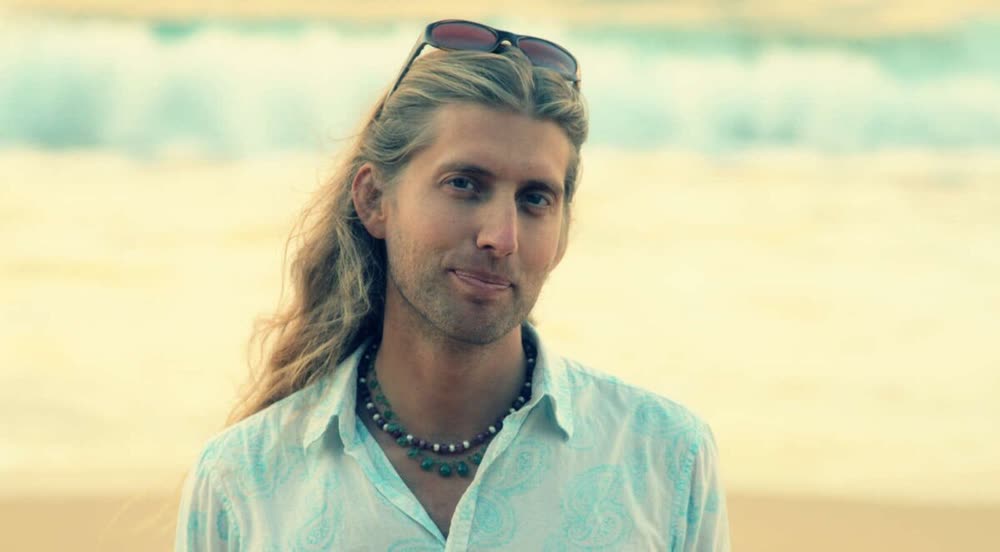
Michael has spent much of his working life online—and much of the rest of it trying to stop that technology taking over. He has thrown a phone into a lake, locked devices in boxes and experimented with long periods offline. He writes about what helped, what failed and how to keep the useful parts of digital life.